



Adulting, Features, Health and Wellness
10 Health Practices for Men After 30 That Matter More Than Supplements
Anxious about turning 30? You’re not alone. It’s the birthday that arrives with more cultural baggage than cake. Thirty has become a kind of checkpoint, where health, energy and stamina are suddenly expected to look intentional. Even if you feel fine, there’s often a subtle awareness that things respond differently now. Recovery takes longer. Late nights linger. The body begins to pay attention to patterns you once ignored.
What’s actually happening is less dramatic and far more practical. Your 30s mark the beginning of small but measurable shifts in muscle mass, metabolism and other functions. Nothing collapses overnight, but the body becomes more honest. It reflects habits back to you with clearer feedback. The upside is that this is also when the right habits have the greatest payoff. Consistent small adjustments can protect strength, energy and focus for decades.
That’s why health after 30 works best when it starts with the body itself. Muscle, heart, fuel, sleep and stress form the core systems that everything else relies on. When those are supported, the rest becomes easier to maintain. The practices that follow focus on building and preserving that foundation, beginning where the science is clearest and the returns are immediate.
1. Strength Training is the Foundation of Fitness
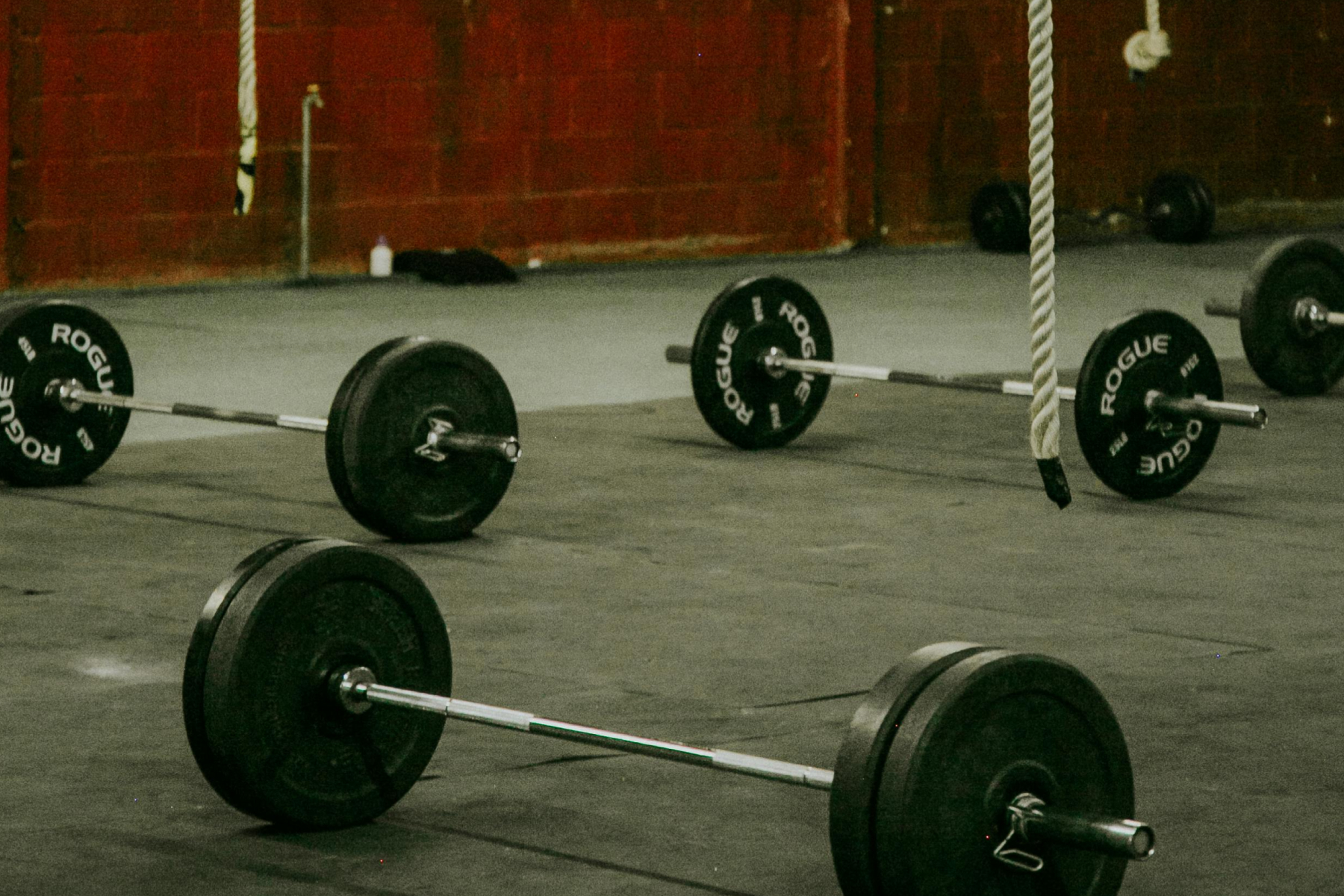
As you hit 30, your muscles start to gradually thin out. Men lose about 3 to 5 percent of muscle mass each decade after 30. The good news? You can rebuild that strength. Harvard specialists note that older men can still “rebuild muscle and maintain it” with a solid plan. In practice, this means lifting weights or performing bodyweight exercises two to three times per week. Stanford experts add that to truly build muscle, you should push repetitions close to fatigue (think: the last few reps should feel really tough). In short, make the gym (or home workout) your new playground. Heavier lifts or extra reps will pay off in bigger muscles and better metabolism.
2. Keep Your Heart Pumping With Cardio
Your heart is a muscle, too, and it reaches its peak around age 31 to 32. After that, aerobic capacity and oxygen intake slowly decline, and cholesterol begins to accumulate on artery walls. The fix is cardio. Keep that ticker primed with regular activity. Even simple workouts count. You don’t need to run marathons. U.S. guidelines recommend about 150 minutes of moderate aerobic exercise (or 75 minutes vigorous) every week, but recent research shows that everyday movement matters just as much. For example, brisk walking can work wonders. Aiming for approximately 7,000 steps per day yields significant health benefits. Studies of millions of adults found that modest fitness improvements cut overall death risk by up to 17 percent. In short, mix in steady cardio or interval bursts (sprints, bike rides, brisk walks) a few times a week to keep your heart strong and lungs working well.
3. Eat for Long-Term Health and Energy
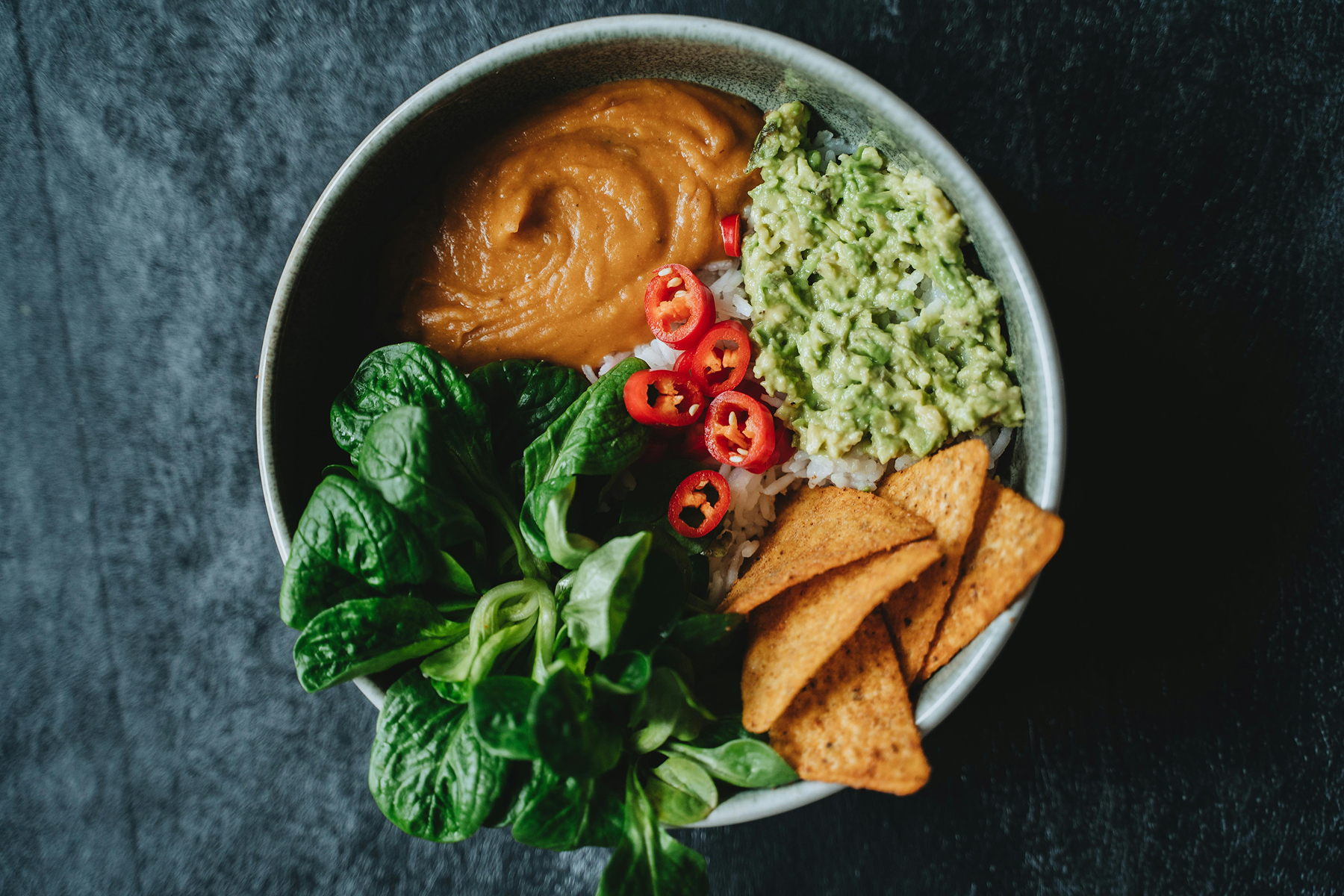
Metabolism eases off after 30, so portion control and smart food choices pay off immediately. In fact, studies note your body burns about 12 fewer calories per day for each year past 30. Skip the guardrails and fat gain becomes much easier. Instead of supersizing, load up on plants, lean protein, and whole grains. A major long-term study (CARDIA) found that people who ate fewer fast-food meals and more plant-based meals from ages 18 to 30 had a much lower risk of heart disease and insulin resistance later in life. In practical terms, follow the “eat whole foods” rule of thumb:
- Pack in protein. Aim for roughly 0.8 to 1.0 grams of protein per kilogram of body weight each day (about 55 to 70 grams for a 150-lb man). Proteins such as chicken, fish, beans and Greek yogurt help maintain muscle and curb hunger.
- Fill half your plate with plants. Make vegetables and fruits half of your meals, choose whole grains over white carbs, and cut out ultra-processed snacks. This helps reduce inflammation and helps you stay full on fewer calories.
- Hydrate and moderate alcohol. Drink plenty of water (a glass after waking and with each meal helps), and limit booze to two drinks a day or less. Staying hydrated and avoiding overindulgence in bar snacks helps maintain a steady metabolism and keep weight in check.
4. Prioritize Your Sleep
Burning the midnight oil feels easy in your 30s, but chronically skimping on sleep is a major trap. Stanford Medicine points out that consistently sleeping less than seven hours per night raises your risk of obesity, diabetes and heart disease as you age. In other words, the sweet spot is about seven to eight hours nightly. Anything less, and hormones and metabolism take the hit. Treat sleep like a non-negotiable appointment. Go to bed and wake up at the same time each day, dim screens at night and wind down with a routine. A Stanford sleep expert notes that a regular wake-up time, morning light exposure and pre-bed rituals can significantly improve both sleep quality and overall health. Get solid rest now to support tomorrow’s workouts, focus, and mood.
5. Keep Your Cool Under Pressure
Your 30s can feel stressful. New careers, family responsibilities and financial pressure all pile up. But chronic stress literally ages you. Stanford psychiatrist David Spiegel, MD, explains that stress triggers the fight-or-flight response, which spikes heart rate, blood pressure and cortisol levels. Over time, that wears the body down. His advice is simple: manage stress, or stress will manage you. In practice, start by calming the body first. Techniques such as meditation, deep breathing or yoga can blunt the stress response almost immediately. Spiegel’s studies found that people who learned relaxation tools such as self-hypnosis reported less pain and anxiety, with benefits lasting for years. Bottom line: carve out five to ten minutes a day to breathe deeply, stretch or reset. These small breaks pay off in mood, focus, and long-term health.

6. Shield Your Skin With Daily Sunscreen
Your skin doesn’t bounce back as it did in your 20s. Even day-to-day sun exposure without burns accelerates aging and raises cancer risk. Health experts stress that sunscreen is the best defense against skin-damaging rays. Their prescription is simple. After washing up each morning, apply a broad-spectrum moisturizer with at least SPF 30. Think of it as armor. A nickel-sized amount for your face, plus extra for your neck and ears. Consistent use helps prevent sunburn, slows the onset of wrinkles and reduces sunspots. Many modern formulas also hydrate, making the skin look healthier overall.
7. Keep Up With Checkups and Self-Exams
Your blood pressure, cholesterol and prostate deserve attention in your 30s. Doctors advise treating checkups like regular maintenance. Aim for a full physical roughly every three years in your 30s. Baseline tests (EKG, lipid panel, blood pressure and glucose) provide metrics to monitor over time. Early tracking allows small increases in blood pressure or cholesterol to be addressed before they become serious. And when it comes to early warning signs, become your own health detective. For men, that includes regular testicular self-exams, best done during a warm shower. The University of Florida Health notes that monthly checks can spot a pea-sized lump early. When caught young, testicular cancer is more than 95 percent survivable. Bottom line: don’t dodge the doctor, and get familiar with what feels normal.
8. Connect With Friends and Pursue Hobbies
Men are social creatures, so don’t go it alone. Regular connection with friends or group activities can protect both brain health and mood. Studies show that daily social interaction, whether it’s a phone call, a team sport, or coffee with friends, helps reduce loneliness and cognitive decline. Hobbies matter too. A 2023 Nature Medicine study highlighted by Harvard found that having a hobby boosts overall health and mood. It doesn’t matter if it’s woodworking, learning guitar or joining a weekend soccer league. Mental engagement and creativity lower stress and support long-term wellbeing. Keep your circle close and your interests active.

9. Stay Hydrated All Day
Water really is life. Hydration supports digestion, joint health and mental focus. The experts at Harvard Health acknowledge the potential health benefits of drinking a full glass of water first thing in the morning and with every meal. This jump-starts energy and helps prevent fatigue. Dehydration often mimics hunger or sluggishness. Carry a bottle, sip throughout the day, and replace at least one sugary drink with water. The payoff may include better workouts, clearer skin and weight stability.
10. Stretch and Stay Limber
Staying flexible isn’t just for yogis. In your 30s, connective tissues tighten and muscles lose some elasticity. That increases the likelihood of everyday strains and aches. The fix is simple. Stretch daily. Lifestyle medicine expert Beth Frates, MD, recommends doing a few wake-up stretches in bed to get circulation going and set the tone for the day. Reach for the ceiling, roll your shoulders and stretch your legs for a minute or two. Add yoga, foam rolling or hip-openers before workouts. A more flexible body means fewer injuries on the court and less stiffness over time. Treat daily stretching as a reset that helps you stay mobile well into your 40s and beyond.
None of these practices is meant to overhaul your life overnight, and that’s the point. In your 30s, what matters most is consistency. Small actions repeated daily, like stretching for a few minutes or taking a few more steps, add up quickly. Start with one or two changes that feel easy to maintain, build from there and notice how your body responds. At this stage, health is less about chasing ideals and more about setting patterns that support the life you’re already living.
Featured image credit: Monstera Production via Pexels
