


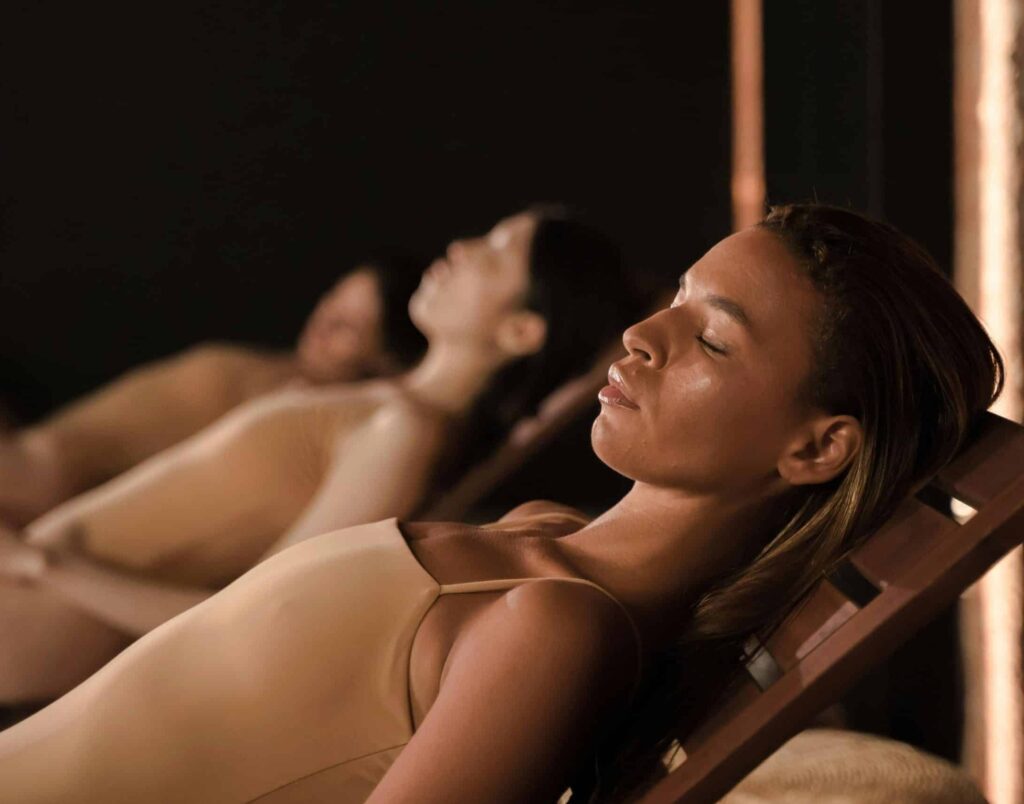
Features, Health and Wellness, Hot Topics
Wellness Culture Is the New Third Space—But Who Actually Gets Access?
You’ve probably seen the phrase “third space” floating around lately. It sounds like one of those new social media terms, but it’s actually not new at all. Sociologist Ray Oldenburg introduced it back in 1989 in his book “The Great Good Place.” The idea is pretty simple. First place is home, second is work or school, and third is everywhere else you go to hang out, see people, and feel like part of something. Coffee shops, neighborhood bars, the bookstore that lets you sit on the floor for hours without anyone bothering you, the library, a random park bench. The kind of place where you can show up alone and not feel weird about it.
After COVID, I feel like people are lonelier than ever, mostly because many of us didn’t have anything like that for a long stretch. And when things opened back up, it was not just “I miss my friends.” It was also “I kind of want to take care of myself now.” So instead of meeting at a bar, it suddenly felt more like, should we go sit in a sauna? The post-pandemic answer to “where should we hang out?” began to take shape as a social wellness club. Some of these places are genuinely great. Some of them also cost more per month than my electric bill.
Here are the ones in New York everyone keeps talking about.
1. Bathhouse
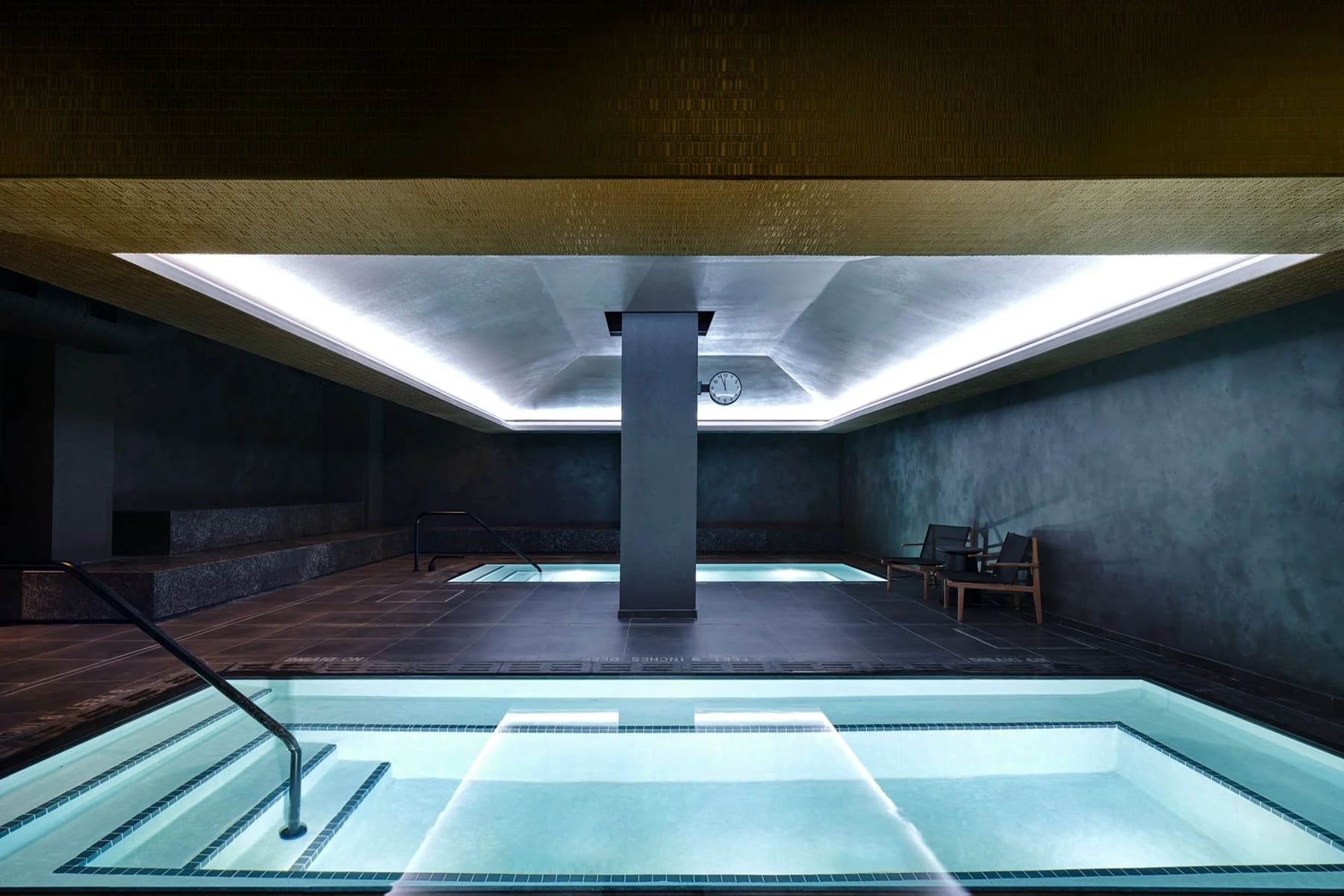
Bathhouse opened in Williamsburg in 2019, so it was early to this wellness club wave, and they’ve since added a Flatiron location. It is probably the easiest one to try because there’s no membership requirement. You can just book a day pass. Weekdays start around $39, and weekends are higher. You can stay as long as you want. They have all the usual thermal pools, saunas and steam rooms, plus extras depending on the location, like a banya in Flatiron and a rooftop pool in Williamsburg.
Both locations also have on-site restaurants, making it easy to stay for a while. It opens late, so you can soak, eat and go back in without leaving. If you go often, memberships reduce the per-visit cost.
I have been to both locations, and the biggest tip is to go at off-peak times if you can. It’s less crowded, and the whole experience feels so much better. People come alone, with friends, on dates, in groups and the price doesn’t punish you for going.
2. Othership
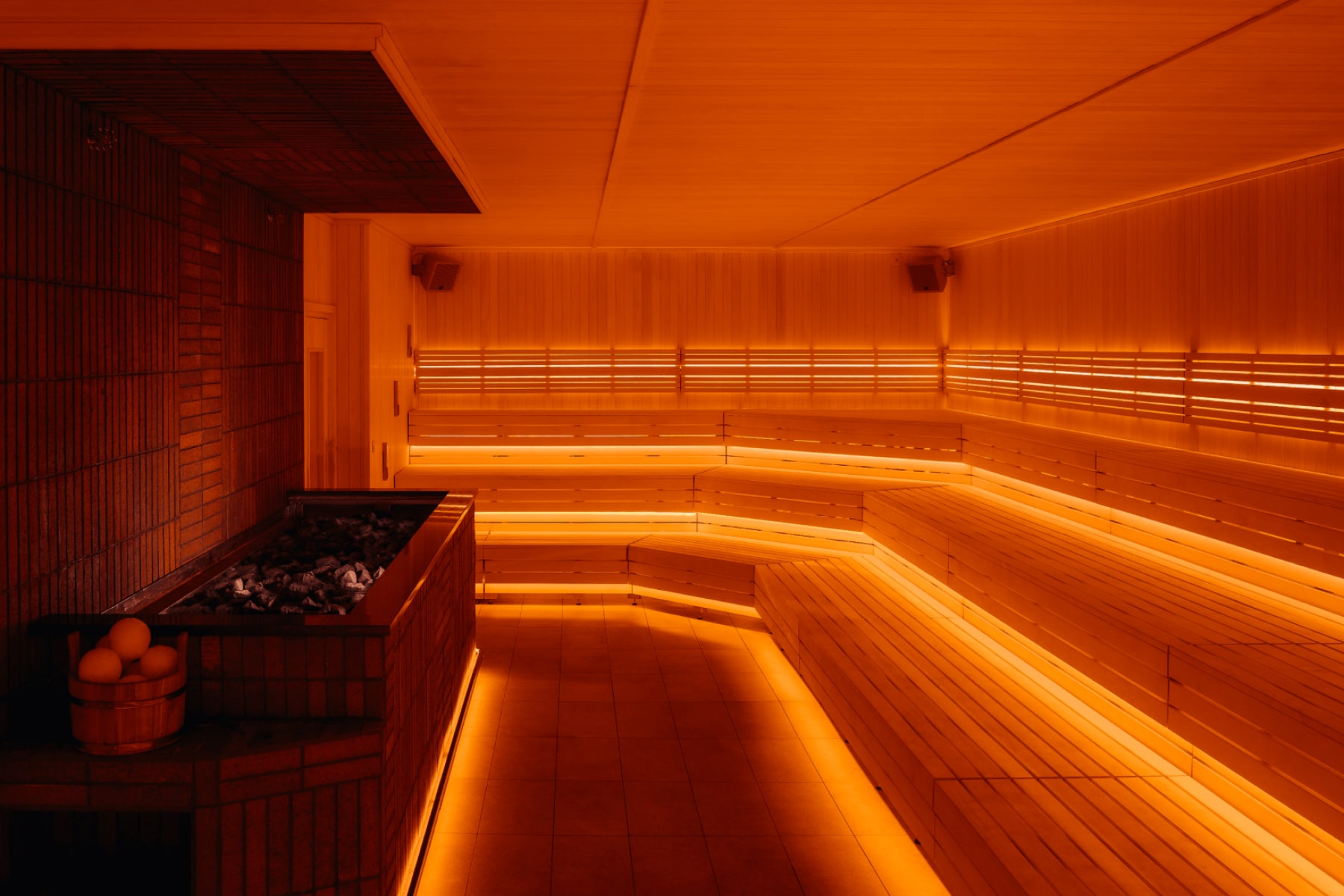
Othership is the Toronto import that opened in Flatiron in 2024 and feels like the Barry’s of saunas. Their signature is a 75-minute guided class led by an instructor (called a Guide) who walks the room with a towel, fans the heat around and runs you through breathwork and visualizations. A single class is around $64, and memberships range depending on how often you go.
There is also a free-flow option for moving at your own pace, as well as a social format that leans into a high-energy, alcohol-free group experience. The brand is built around connection without drinking. Instead of a bar, there’s tea and the lounge is meant for spending time after the session. The whole thing is designed to feel social, just in a different way.
3. Remedy Place
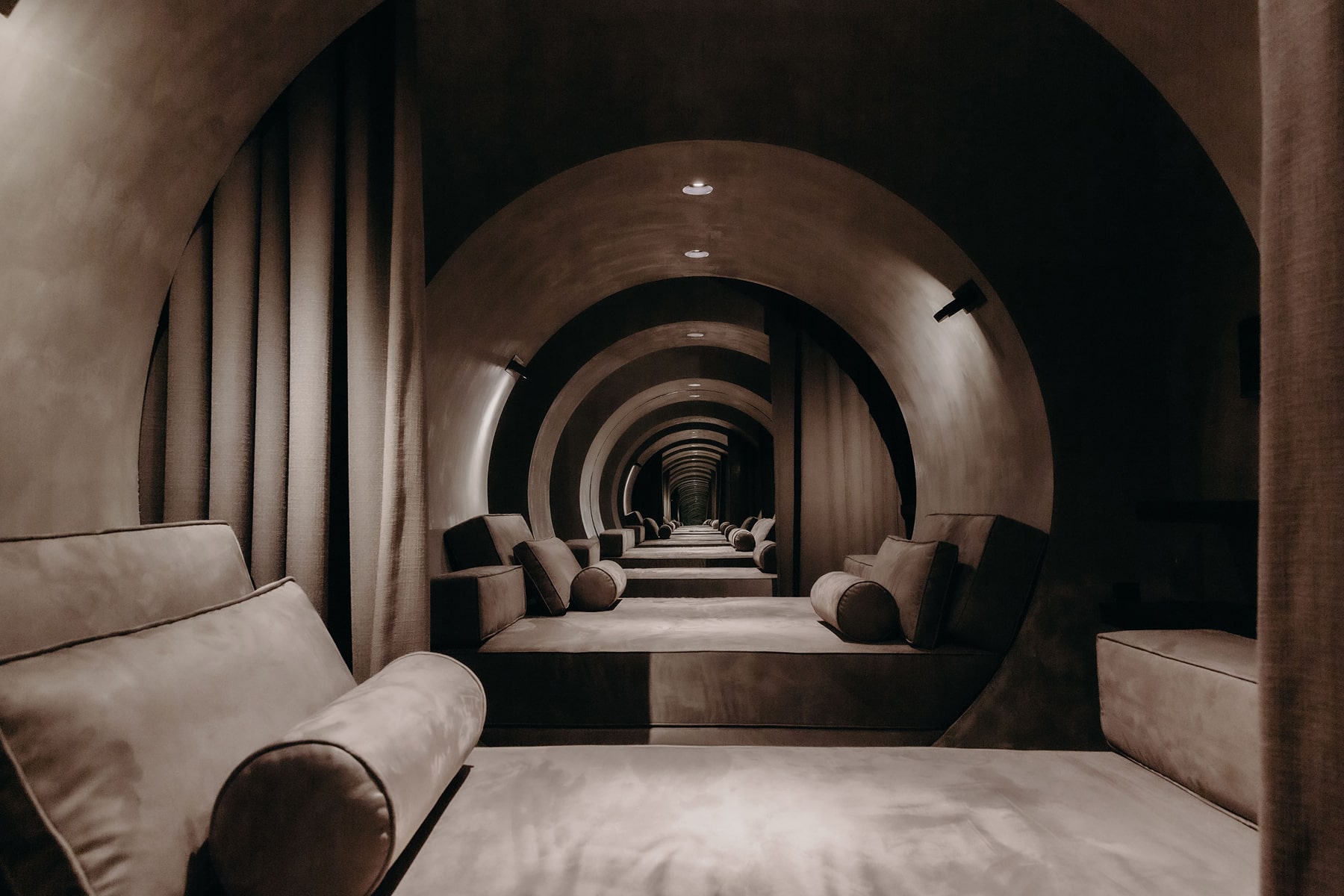
Remedy Place opened in Los Angeles in 2019 and now has locations in Soho, Flatiron, West Hollywood and Boston. This is where things start to feel more elevated. The interiors are minimal and polished, and the treatment menu covers just about everything you see in the wellness world right now. We’re talking hyperbaric chambers, lymphatic compression, IV vitamins, NAD, cryotherapy, infrared saunas and biometric testing.
You can book treatments individually, but memberships make sense if you go regularly. Pricing starts at around $255 per month and increases based on what you include. It’s also a place where you might recognize people. The clientele tends to overlap with fashion, entertainment and influencer circles.
4. The Well
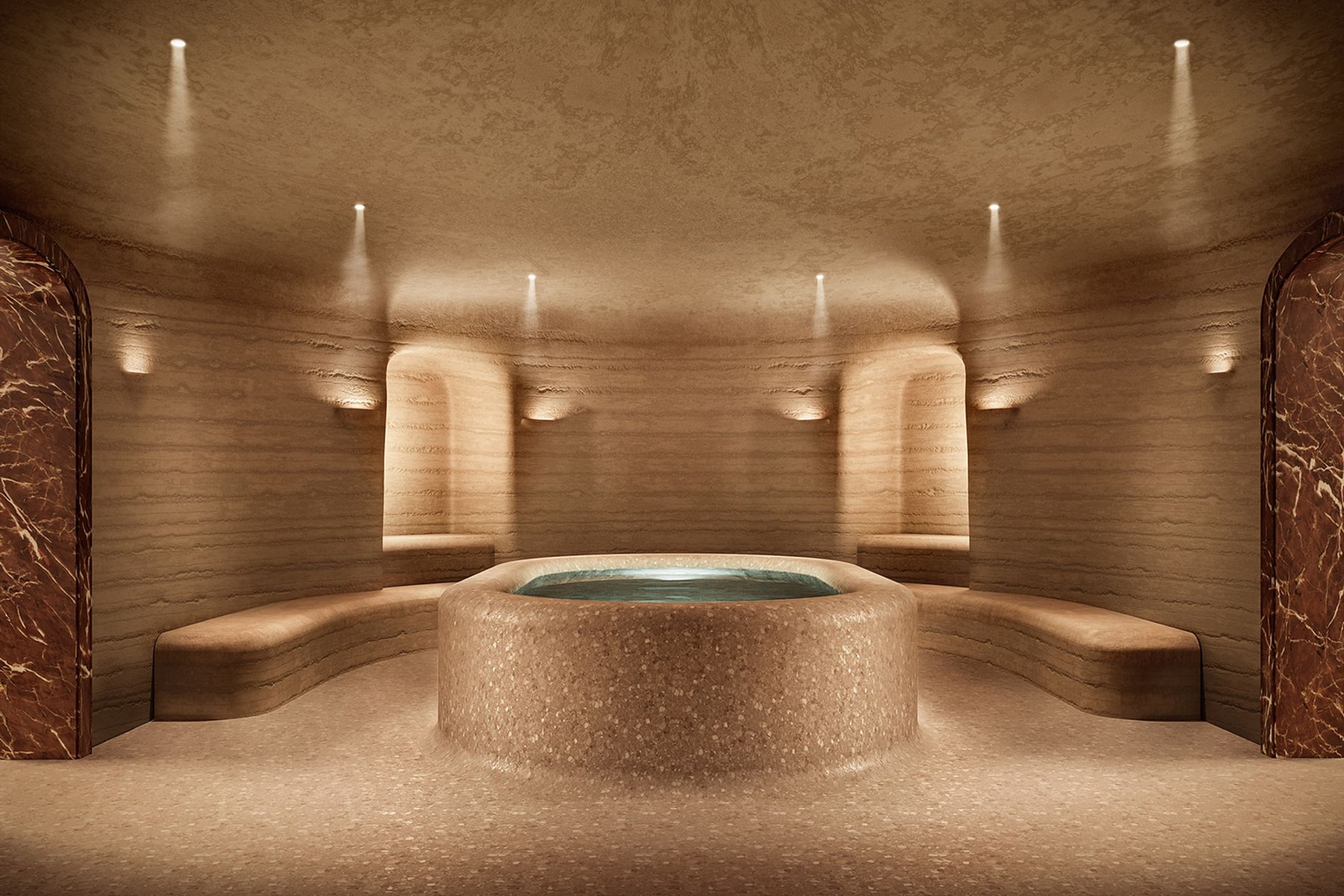
The Well, also in Flatiron, takes a broader approach. Instead of focusing on a single type of experience, it seeks to bring everything into a single space. It is a large facility with a meditation dome, a full gym and spa, an organic restaurant and a wide range of practitioners, including Western medicine, acupuncture, functional medicine, Reiki and Ayurveda.
Membership is $375 per month, or $210 if you are under 32, plus an initiation fee. That includes classes, access to the space, and services like health coaching. The idea is convenience. Everything is in one place, which, in a city like New York, carries its own kind of value.
5. Continuum
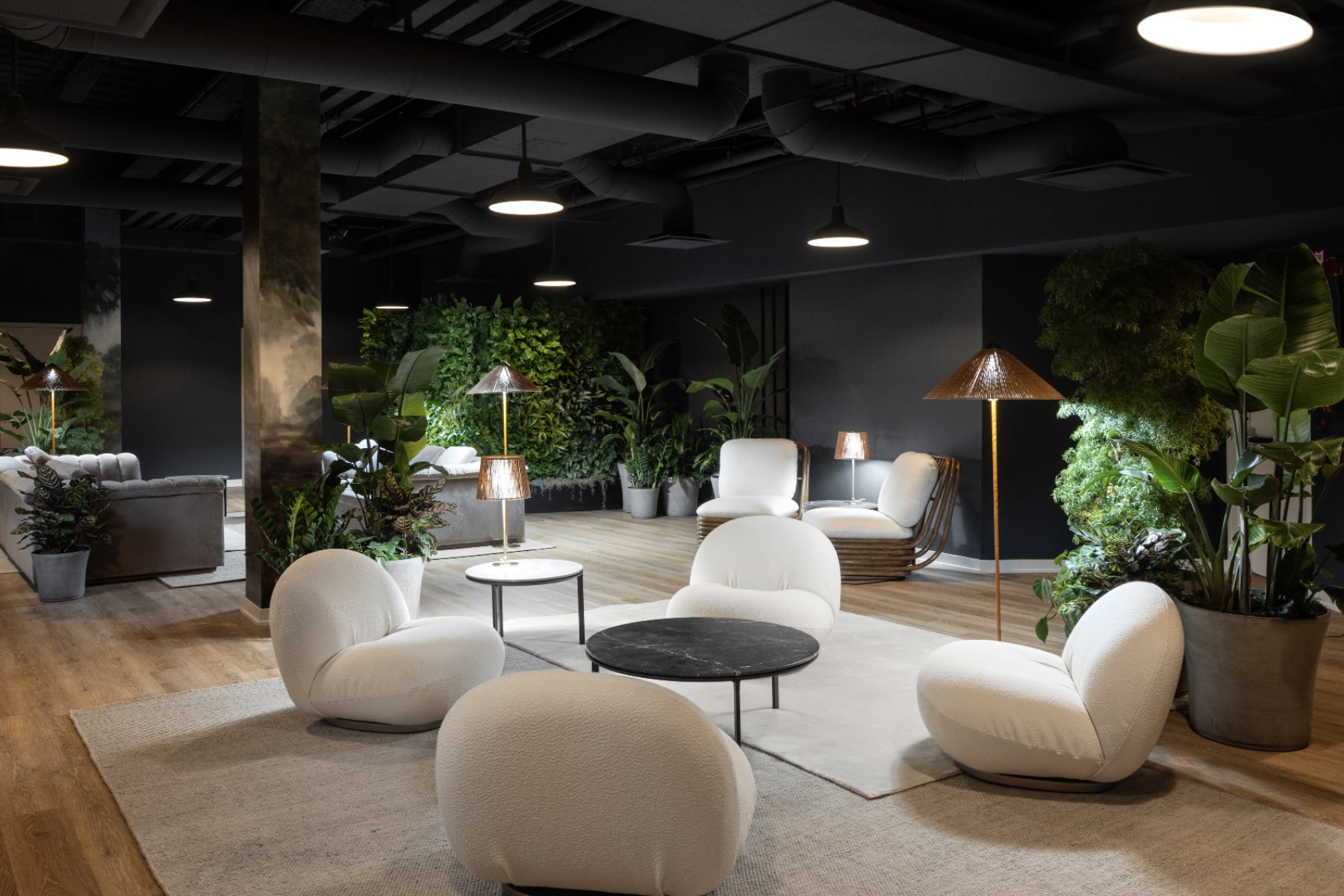
Continuum sits at the top end of this category. It opened in the West Village in 2024 and limits membership to 250 people. The focus is on data-driven, highly personalized wellness. Members undergo a comprehensive set of assessments, including DEXA scans, VO2 max testing, bloodwork and sleep analysis. That information is used to build a tailored program managed through an app and a team of coaches.
The space includes float tanks, hyperbaric chambers, specialized saunas and a training floor designed to the highest standards. Membership ranges from $25,000 to $100,000 per year. There’s no day pass and no drop-in option. Entry requires an application.
So Who Actually Gets In?
The original third space was supposed to be easy to reach, affordable and open to almost anyone. A neighborhood bar. A library. A bench. The whole point was a low barrier to entry. The wellness club, at its current price point (and in this economy), mostly comes down to who can afford it. Even Bathhouse’s $39-a-visit starts to add up if you go a couple of times a week. Othership is closer to Barry’s monthly situation. Continuum is private school tuition money.
It’s not just the price, though. According to Statista, about a third of US spa-goers report household incomes of $100,000 or more, and millennials account for 38% of spa visits nationwide. If you’ve been to one of these places, that probably tracks. The crowd tends to be young professionals in industries where a few hundred dollars a month on wellness feels normal, not like a stretch. Finance. Tech. Media. Fashion. Beauty.
That pattern goes beyond income and into geography, too. Most of these clubs are in the same handful of neighborhoods: Flatiron, Soho, West Village and Williamsburg. If you’re not in or near a major coastal city, they’re basically not part of your world at all. The wellness club, as it exists right now, is really a New York, Los Angeles, Miami and Boston thing. Everywhere else, it’s still the YMCA or a strip mall gym.
And even then, none of this is actually new. Saunas and communal bathing have been around forever. Korean spas have been doing this for decades. Russian banyas go back centuries. What has changed isn’t the practice—it’s the packaging, the same idea just redone for a specific crowd, with better interior design and a higher price tag.
Which brings it to the real question: If wellness now depends on both money and being in the right city, what is it even becoming? The basics of feeling well, sleep, movement, food, time outside, time with other people, are still mostly free, at least in theory. But what’s being sold now is something else. It’s curated, scheduled and designed.
“Self-care” has become a kind of class signal, and the wellness club is a pretty clear example.
A Manhattan wellness membership is a math problem I’ve run in my head more than once and walked away from just as often. I’ve visited a bathhouse with a friend, bought a day pass, and loved it. The marketing at these places leans hard on words like “community,” “connection” and “reset.” There’s a version of community you can buy into, but I’m not sure it’s the same one Oldenburg meant. The bonds there feel a lot like any other expensive recurring thing, real, but priced in. And that’s kind of where it leaves you. Nobody’s going to become your friend just because you’re paying the same membership fee. You might feel better when you leave, though, and some weeks, that’s enough.
Featured image credit: Ron Lach via Pexels
