


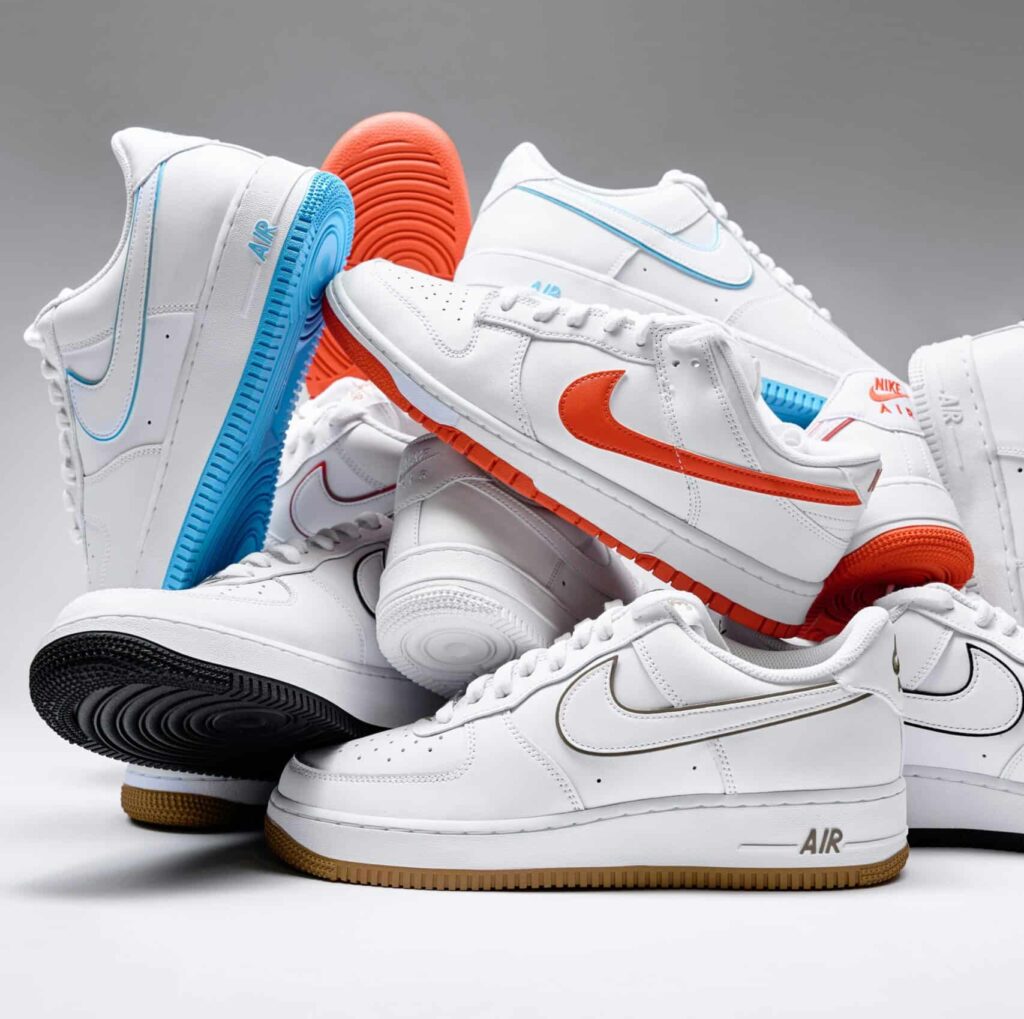
Features, Sneaker Culture, Style
Retro Sneakers Are Redefining Sneaker Culture as Nostalgia Becomes the New Status Symbol
The debate over whether sneaker culture is dead or a dying breed is alive, and that’s such a coincidence. No matter which side of the coin you’re on, one thing is true: even after decline comes a new era of revitalization, and it’s clear 2026 sneaker culture is being redefined by nostalgia, memories, and storytelling, rather than analytics, sales and mainstream hype.
A wave once built around waiting outside sneaker spots like KICKSUSA (now SNIPES), FootLocker and Finish Line with friends, snacks and speakers, was the standard. The feeling of a new release was the spark the culture needed, but the atmosphere feels different now. Retro styles have cemented their spot in fashion. Nostalgia, familiar experiences and tapping into the past are being prioritized with sneaker styles, leading to the shift in fashion we are witnessing today.
Retro Sneakers, New Identity
By revisiting significant moments, retro sneakers are becoming a whole new sense of identity. Digging into the past connects you to a point in time that felt more symbolic. But first, it’s essential to understand what is meant by “retro sneakers.”
Retro sneakers are modern versions of iconic older sneaker designs. Typically, these older sneaker designs are from the ‘80s, ‘90s or 2000s. Retro signifies history, culture and legacy. Unlike most, retro sneakers already have the background and tradition to stay relevant. No matter how many times the same sneaker model is released, the connection it has to identity remains prevalent.
For example, let’s take a look at Nike’s Air Max 95 OG Neon. Originating in 1995, the shoe has remained popular, in part, for its nostalgia and historical significance. Air Max 95s have had their era in every decade since then. The ’90s, the 2010s and now, its most recent release in March 2026, have brought people back to a memorable moment in their lives. Personally, I recall wearing Air Max 95s growing up and then again in high school when Jeezy’s famous line, “Dope boy 95 Air Max 95s on,” was trending. Now in 2026, I’m hoping to snag a pair for the nostalgic feel.
Purchasing retro sneaker models such as New Balance 740, 530 and 1906R, Adidas Sambas, Jordans 1 through 13, and Pumas allows customers to reestablish a period in time when life may have been more substantial, especially in terms of fashion. It all comes to aspects of storytelling. As in my story above, many people have a story to tell about the origins and time frame of retro sneakers. A story that holds deep emotions, attachment, and personal connection, with nostalgia dressing us again.
Less Performative, More Expressive: Are Basketball Sneakers Starting to Fall Behind?
While retro sneakers are resurging and in demand, one side of the sneaker culture is struggling. Basketball sneakers are beginning to take a plummet as retros climb to the top of the leaderboard. But truthfully, performative actions and expressions play a huge part. Online hype, youth interests and resell culture have all led to the decline of basketball sneakers, yet the rise of retro sneakers. Most people today are focused on familiarity rather than on the new technologies and materials in performative shoes. Jordan 1s are a retro sneaker that many people today wear to play basketball, partly because of their recognition and ties to sneaker culture. Since 1985, the Jordan 1 has been a dominant force among the most notable retro sneakers.
But at what point do basketball shoes outweigh retros? Youth hype is declining as it comes to basketball sneakers. It’s said that kids today don’t value performance-based shoes, which is evidently leading to fewer sales. While we’re on the topic of sales, it’s also important to highlight how resell culture has ruined the basketball sneaker game. Speaking from experience, resell culture has ruined my perception of purchasing newly released sneakers, and the average sneakerhead can relate. Many people are buying shoes to make a profit, which takes all the fun out of buying shoes that are released only once.
Lebrons, KDs and Kyries
A few years back, buying Lebron’s basketball shoes meant something; it was a status symbol that people rushed to the websites to buy. But today, while Lebron releases aren’t hyped as much, resellers are still taking away an experience that ruins sneaker culture. Same thing with Kyries and KDs. In 2016, KDs were among the hottest basketball shoes in new releases, with crazy colorways. KDs still drop new releases, even though the newest release is set to drop in June. However, a combination of declining youth hype and a resell culture means that not many people are interested. There’s generally less hype around basketball sneakers and more hype around retros.
What Does The Future Hold?
So what does the distinction between the two mean, and how will that meaning shape the future for sneaker culture? Retro sneakers aren’t going anywhere, as they’ve become a fashion staple and an important part of life. They don’t need a big rollout, a large marketing campaign, or loud noise to support them. Retro sneakers are quite literally the main character. The range of retro sneakers is expansive and certainly a way of identity. Basketball sneakers, while on a decline, are geared toward a lifestyle look rather than identity and trendy fashion. The distinction is obvious: retro sneakers will continue to stick around for memory and nostalgia, while basketball shoes have a specific role crafted toward performance. Sneakers are becoming more than just fashion, it’s self-expression and nostalgia.
Featured image credit: Joshua Díaz via Unsplash
