

Commentary, Culture, Fashion, Features
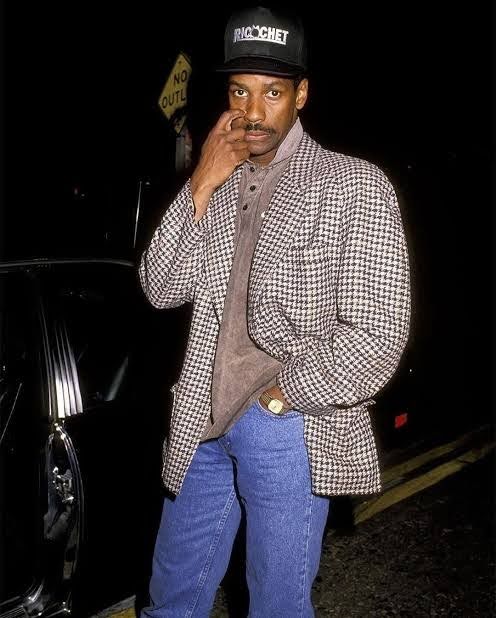
John F. Kennedy Jr.’s Style? You Can Thank ‘90s Black Men for That
I mean, think about it, fashion trends seem to cycle back and forth between what’s in and out of season. Quarter zip sweaters, distressed jeans and corset dresses (just to name a few). Through every decade, they come and go. Lately, the conversation has been about John F. Kennedy Jr.’s style, being praised as a fashion icon in the ’90s for his polished yet relaxed look.
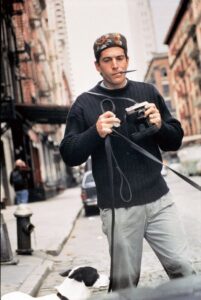
As the son of former President John F. Kennedy, Kennedy Jr. graduated from Brown University in 1983 and the NYU School of Law in 1989. It took him three times to pass the bar before working in law between 1989 and 1993. He spent his career focusing on white-collar crime and political corruption, as well as on everyday street crimes such as robberies and weapons charges in New York.
During the same time, he founded a non-profit called Reaching Up, Inc., helping support caregivers of people with disabilities. In journalism, he had a vision to blend politics and culture; in 1995, he served as editor-in-chief of the political magazine “George”. Kennedy Jr.’s image represented the “East Coast Prep Culture” in mainstream, making the laid-back, confident, multi-dimensional look acceptable across all races.
The ’90s Aesthetics
Social media influencer ADIV made a great point in research showing that ’90s aesthetics in men’s fashion originated in the Black community. Black men, including hip-hop artists like Tupac and LL Cool J in the ’90s, had black culture on the same fashion wave, mixing formal with casual.
On the big screen, Black actors like Denzel Washington, Martin Lawrence and Will Smith also wore similar styles. Oversized fits, clean tailoring, statement outerwear and intentional layering all contributed to a look that was both comfortable and commanding.
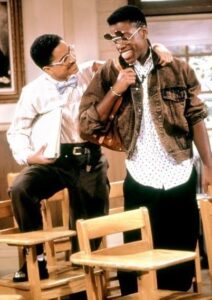
Actor Kadeem Hardison wore open collars and rolled sleeves on “A Different World” from 1983 through 1993. The style started a trend away from rigid formal dressing to a more expressive aesthetic in cities like New York, where everyday style may focus on designer brands or athletic wear. Rather than focusing on a structure, people begin to understand it’s not what you wear. It’s how you wear it.
Labels like Ralph Lauren and Tommy Hilfiger created similar prep-fashion styles in the ‘90s. While demographic sales data remain limited, it’s clear that these brands became staples in the black community through the influence of mainstream hip hop.
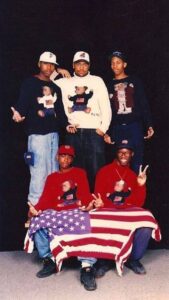
Even after the popular rumor circulated that Tommy Hilfiger didn’t originally create his clothes for minorities, the brand still soared.
Legendary Rapper Pimp C quoted in the song “Get throwed” with Bun B, “Polo F- that Hilfiger”. One of many lyrics where both brand names can be heard throughout hip hop.
Advertising in and through the Black community may not have been the original intent, but many would agree that success came from Black dollars and from how fashion was reinterpreted and styled within the Black community. This also gave companies the opportunity to create more affordable lines of high-end brands like USPA, offering more streetwear alongside prep looks.
Personal Life Figures
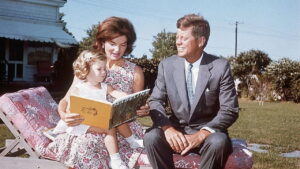
John F. Kennedy wore tailored, slim-fitting suits. He had a relaxed, formal style that was popular throughout his presidency. Kennedy Jr.’s mother was also a fashion icon in her time. She worked with Russian designer Oleg Cassini, sporting an elegant look.
While figures in his personal life helped refine his image, his wife, Carolyn Bessette-Kennedy, was a muse for the Calvin Klein brand in the 90s. It was her own personal style that the brand loved. She rocked white shirts, long black skirts, camel coats and cropped pants.
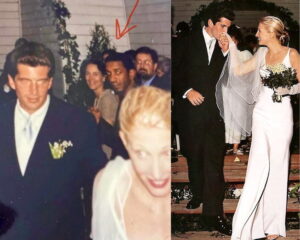
Together, the couple’s overall image became a unified look. Something their close friend, fashion designer and editor Gordon Henderson, loved to discuss, helping showcase timeless elegance in the family, even designing Kennedy Jr.’s wedding suit.
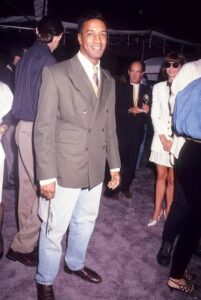
Gordon is an award-winning designer focusing on more affordable pieces. His fashion brand, But Gordon, was established in the 1990s, and the legacy lives on today.
Featured image credit: Getty Images

