


Features, Hot Topics, Movies / TV
Lupita Nyong’o, Helen of Troy and the Long History of White Actors Portraying People of Color
The internet has been ablaze with reports that Lupita Nyong’o has been cast as Helen of Troy in the upcoming film adaptation of Homer’s “The Odyssey” (directed by Christopher Nolan). Predictably, the reactions were swift and loud to say the least. Some fans argued that Helen—often described in ancient texts as the epitome of classical Greek beauty—should be portrayed by a white actress. Others felt the casting was historically inaccurate. Social media did what it does best: debate, dissect and divide. And yet, while I understand the uproar, I also believe it opens the door to a much bigger conversation about creativity, storytelling and diversity in media.
On Helen of Troy and Hollywood
Helen of Troy is a mythological figure. Her story, immortalized in works like Homer’s “Iliad”, has been retold for centuries. Mythology, by nature, is interpretive. It evolves with culture. Each generation reimagines these stories through its own lens. That’s why we’ve seen countless adaptations of Greek myths across film, television and theater—each with its own aesthetic and perspective. Hollywood has never been a strict historian, as it has always been a storyteller.
So why does diversity suddenly become the breaking point for accuracy?
For decades, Hollywood has reimagined stories rooted in non-white cultures by casting white actors in central roles. In “A Mighty Heart”, Angelina Jolie portrayed Marianne Pearl, a woman of Afro-Cuban and Dutch heritage. In “Aloha”, Emma Stone played a character written as part Asian and Native Hawaiian. “The Last Airbender”, adapted from an animated series deeply inspired by Asian and Inuit cultures, cast white actors in roles many fans expected to reflect the show’s cultural influences. And in “The Lone Ranger”, Johnny Depp portrayed Tonto, a Native American character, sparking widespread criticism.
For years, audiences of color were told to suspend disbelief. To focus on the story. To accept “creative choices”. The industry defended those decisions as artistic interpretation or box office strategy. So when diversity moves in the opposite direction—when a Black actress is cast in a role traditionally imagined as white—suddenly authenticity becomes sacred.
The contrast is worth examining.
Casting Lupita Nyong’o as Helen of Troy
Lupita Nyong’o isn’t just a symbolic casting choice. She is an Academy Award-winning actress whose body of work speaks for itself. From her haunting, layered performance in “12 Years a Slave” to her dual, psychologically complex role in “Us”, she has demonstrated emotional depth, versatility and presence. She brings nuance. She commands the screen. That matters.
Helen of Troy has often been reduced to her beauty—a face that “launched a thousand ships.” But what if we allowed the role to become more than that? What if Helen were portrayed not merely as the object of desire, but as a woman with agency, complexity, and emotional gravity? Casting Lupita opens the possibility of reframing Helen beyond Eurocentric standards of beauty and into a more layered interpretation.
Think about it. Beauty in itself is culturally constructed. If storytelling reflects the world we live in, then it should also reflect the diversity of that world. Representation is not about erasing history; it’s about expanding imagination. Expanding that lens does not diminish anyone; it broadens representation for audiences who rarely saw themselves reflected in epic, mythic spaces.
Of course, thoughtful critique is valid. Conversations about historical authenticity are important, especially when dealing with real historical figures. But Helen of Troy exists in the realm of legend. We are not looking at census records—we are taking poetry and myth and creating interpretations.
My Thoughts on This Debate
What I find most interesting about this moment is how strongly people react when traditional imagery is challenged. It reveals how deeply we’ve internalized certain standards—about beauty, about heroism, about who gets to embody legendary roles. Change often feels uncomfortable before it feels normal.
We can acknowledge discomfort while still allowing art to grow, debate thoughtfully without dismissing the possibility outright, and recognize that representation in myth and fantasy is not about rewriting the past, but expanding who gets to inhabit cultural legend.
Lupita Nyong’o has proven she can carry the emotional weight of complex roles. Before deciding what Helen should look like, perhaps we should consider who she could be. Sometimes, the most powerful retellings are the ones that dare to look different.
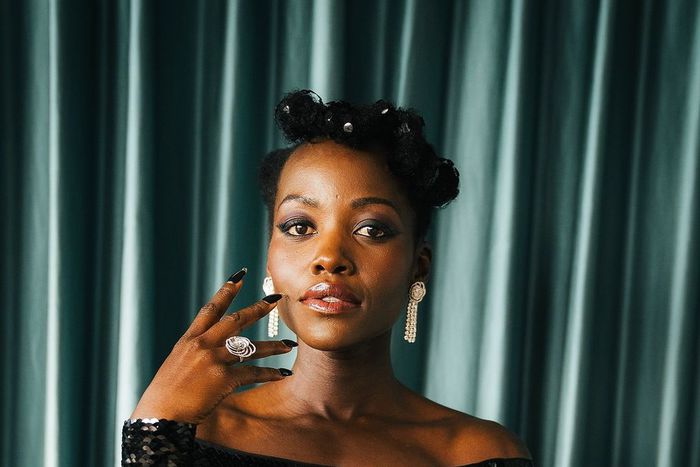
Featured image credit: Sourced from Pulse Africa | InClub Magazine does not claim ownership over this image.
