



Features, Health and Wellness, Parenting
Husbands Pay Attention: 5 Signs Your Wife May Be Experiencing Postpartum Depression
Contrary to popular belief, men are not stupid. However, our patriarchal society has rendered most uninformed and miseducated. Fret not husbands, as I’m here to educate the uneducated. Today’s lesson? Postpartum depression and how to tell if your wife is experiencing it!
What Is Postpartum depression?
Postpartum depression (PPD) is a serious mental health condition that impacts a mother’s behavior and physical health. The term “postpartum” indicates the transition after childbirth. It’s often confused for “baby blues”, which are feelings of sadness or worry in the first couple of days post-labor. These emotions can last anywhere from two days to two weeks; if they persist beyond that, they may develop into postpartum depression. PPD typically is noticed within the first month and can last years. CDC research indicates that about one in eight new mothers report symptoms of PPD.
Unfortunately, it’s a common problem that doesn’t discriminate among new mothers. However, research has shown trends may differ by race and ethnicity. The American Journal of Obstetrics & Gynecology observed increased rates of PPD among white, Hispanic, Black and Asian mothers from 2010 to 2021. Trends of postnatal depression grew by 60%, 110%, 140% and 280% respectively. The exact cause of this condition is still unknown; however, various factors like culture and access to healthcare likely influence who is most susceptible.

Researchers believe the sudden change in hormonal levels contributes to depression. Remember the joke about a woman being emotional because she’s “PMSing”? Amplify that by any mathematical limit and those are the hormones of a pregnant woman. Her chemicals are at their peak when pregnant, then drastically plunge in the first 24 hours postlabor. Motherhood mimics the instability of puberty and it even has a name – mastresence. Coined by anthropologist Dana Raphael, it encompasses the emotional rollercoaster of becoming a mother. On this bumpy ride, there are tell-tale signs along the way to prepare for imminent risks. Let’s jump right in!
1. Sleep Deprivation
There’s no manual or mantra in the world that will prepare new parents for sleepless nights. A Snuz survey revealed that seven out of 10 parents were losing three hours of sleep nightly in the first year of the child’s birth. 40% of mothers said they still have trouble sleeping with children under four per Saatva research. Husbands, this information is not to fearmonger. She may want to be a Superwoman for the child, so become Superman and tell her to go to sleep. Too many sleep-deprived nights make way for cognitive decline, further worsening her PPD.
2. Erratic Mood Swings
Society has long romanticized motherhood as if it were the land of milk and honey —liars! Mothers of all walks of life typically agree that it’s more like the metaphorical heaven and hell. From sleepless nights, nonstop crying, and societal expectations, it’s hard to blame new moms for their mood swings. Their emotional instability can even manifest into postpartum rage, a symptom of PPD that causes intense anger or aggression. While motherhood can be blissful, it’s often a series of extreme highs and lows that sometimes crash simultaneously.
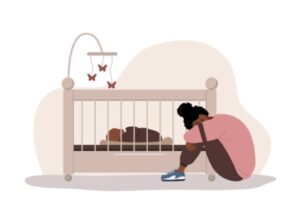
3. Isolation or Loss Of Interest
There are several moments when a new mother feels alone and gradually isolates herself. If she begins doing so, it will impact all that usually interests her; even her child in some cases. Actress Halle Bailey took to Snapchat in April to reveal her struggles with PPD. “It almost feels like you’re swimming in this ocean, the biggest waves you’ve ever felt and you’re trying not to drown,” Bailey said. Those intense, internal feelings facilitate neglect and leave mothers vulnerable.
4. Harmful Thoughts and Language
Pay attention to a new mother’s behavior and language toward herself and the child. PPD is one of the leading causes of maternal mortality and severely impacts child development. Study shows that clinically diagnosed mothers have an increased risk of death within the first year and because of suicide. Children of mothers suffering from this disorder are also at greater risk of hospitalization and death before their first birthday. Recognizing this behavior is crucial to avoid delays in bonding and development between both parties.
5. Eating More or Less Than Usual
Eating a balanced, nutritious diet is necessary before and after birth. Some women eat more to cope with stress or eat less to “snap back”, it varies. Weight loss is expected to be slow in the first three months due to the demands of milk production. That “stubborn fat” is also necessary as breast milk draws from lower body maternal fat stores to sustain infant development. However, mama bears still need to eat enough to maintain their health. A severely increased or decreased appetite will negatively impact her energy and healing.
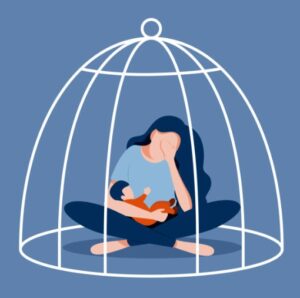
So, what is a husband to do? Simple, we’ll answer that short and sweet.
The Husband’s To-Do List
1. Create a village.
Parenthood is not a walk in the park and every parent needs some help. Form a supportive community of family, friends, and local resources. Seek out new parent support groups, such as Mommy/Daddy and Me classes, to connect with like-minded individuals. If possible, hire a trained doula to support the family at different stages in this transition. Government resources are also available to new parents, so be sure to do research!
2. Be an active father.
Who’s the baby here? Exactly, get busy and be a parent! It takes two to tango and healthily raise a child. Establish a plan where responsibilities fall fair and equal. This will prevent both parents from becoming overwhelmed and susceptible to emotional strain. It’s a common belief that babies sever marital relationships. BBC reported that the more children involved, the less connected a couple may feel. However, this may be due to not actively working as a team. Invest in the partnership and it’s bound to grow a stronger bond.
3. Create a self-care plan.
Mothers often lose themselves in their new role, and this rarely benefits them. Furthermore, studies show a woman’s brain will shrink in some areas to hardwire for baby bonding. To counteract this, develop a plan, routine, or schedule where the mother can practice self-care. This could look like prioritizing social outings, exercising, and participating in hobbies. Additionally, embrace the new woman she will become, as her mental state and physical appearance may change. Don’t push the fad diets and Fajas; after all, her abdomen literally stretched to carry a child!
4. Educate yourself.
Become knowledgeable about the ups and downs of postpartum depression. Look into cultural practices outside of your own for different advice. Read books supporting the father’s experience and detailing the mother’s. Becoming well-rounded will only improve the understanding and connection required for a healthy dynamic. Help For Dads is a terrific resource for fathers to lean on during this time of learning.

5. Consider therapy and medication.
Therapy is for all and should be universally accessible. Therefore, don’t be shy in seeking professional assistance for your wife or the entire family. Only 13 to 18% of mothers reportedly seek therapy, as many are undereducated about pregnancy-related disorders. Additionally, mothers often face judgment for using medication to balm their issues, even though it’s normal. About 90% of women can be treated successfully if symptoms don’t vanish independently. Motherhood is hard; there’s no sense in complicating it.
Be patient and attentive with your wife. She has sacrificed herself to bring life into the family. We don’t have the saying “happy wife, happy life” for no reason, do we?
