

Commentary, Features, Movies / TV
F1 The Movie review
On your marks, get set, go. F1 races into theaters on June 27, and we had the privilege of catching an early screening.
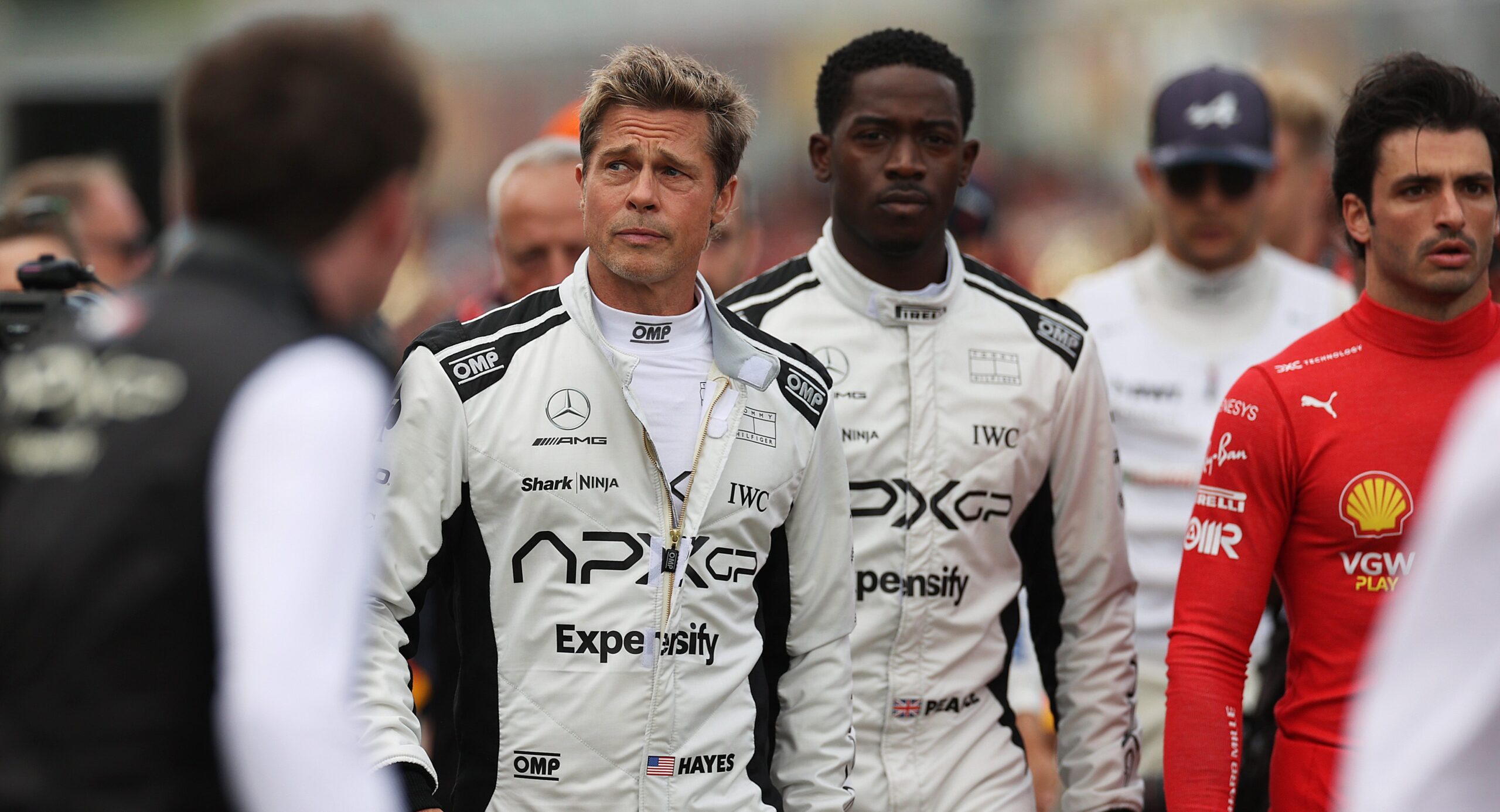
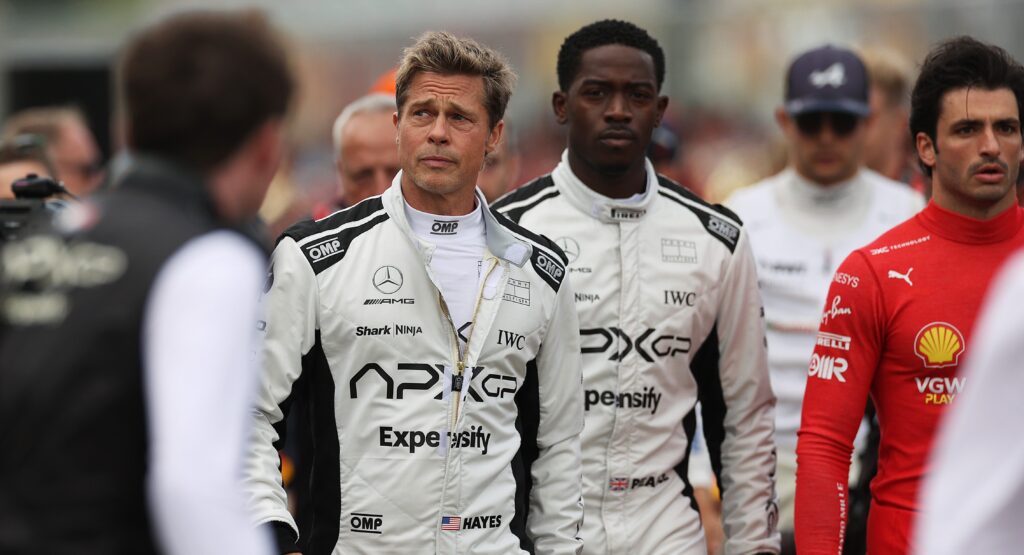
Fronted by Brad Pitt and Damson Idris, and directed by Top Gun: Maverick’s Joseph Kosinski, the film masterfully maximizes what is, at its core, a hybrid underdog story, a tale of redemption and ambition that pits a fallen legend against a rising star who refuses to miss his moment.
Pitt plays Sonny Hayes, once the brightest flame in Formula 1—the man dubbed “the greatest that never was.”A prodigy in the 1990s, Sonny’s meteoric career was abruptly halted by a devastating crash.
Decades later, he is a nomadic, battle-worn figure. Drifting between races, weighed down by a gambling habit, a string of failed marriages, and a legacy that slipped through his fingers. That is, until Ruben Cervantes (Javier Bardem), his former teammate and current owner of a flailing F1 team, reenters the picture.
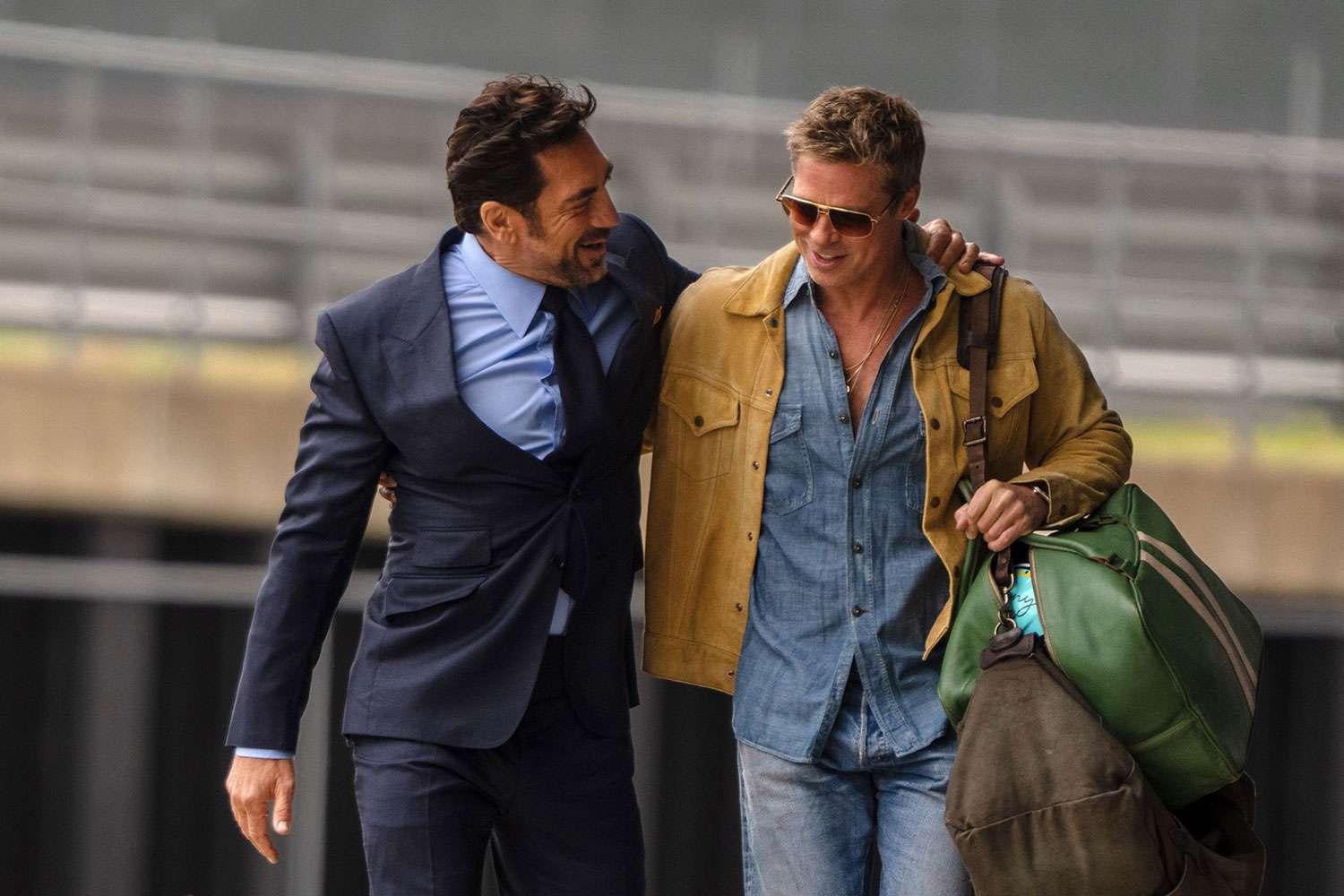
Desperate to save his team from collapse, Ruben offers Sonny not just a seat, but a shot at reclaiming the glory that once seemed inevitable.
Parallel to Sonny’s arc is that of Josh Noah Pearce, played with undeniable magnetism by Damson Idris—a crowd favorite on the verge of irrelevance.
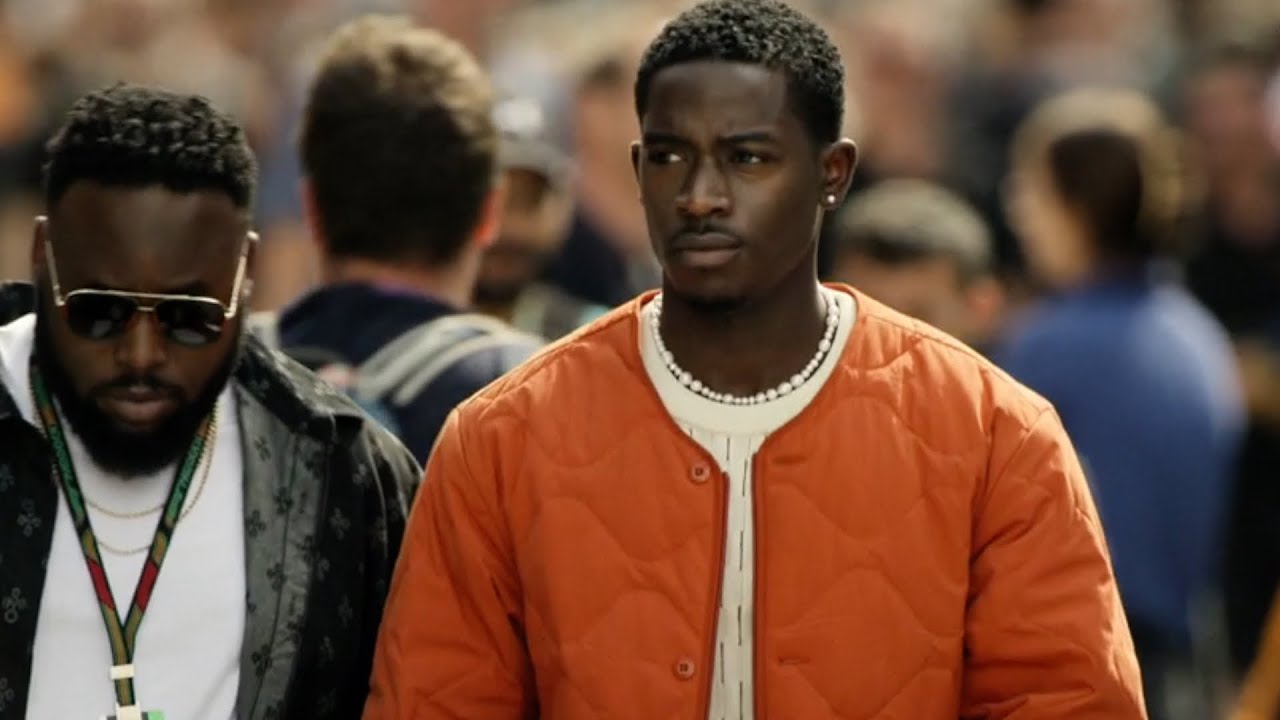
Despite his popularity, Josh has yet to finish in the top ten. His seat isn’t guaranteed, and with the team’s future hanging in the balance, he must win or risk losing it all. Ruben, meanwhile, faces mounting pressure from the board to sell the team. He clings to the belief that he still has something to prove, making him a symbol of the old guard refusing to concede to time.
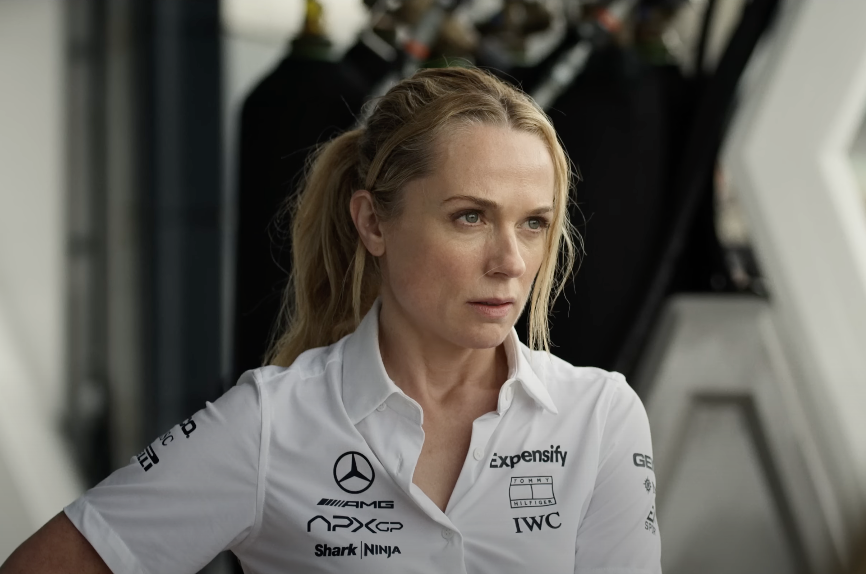
Then there’s Kate, portrayed by Kerry Condon—the first woman in F1 history to serve as a technical director. Navigating a male-dominated space, Kate must silence critics while proving to herself that she made the right decision and that she belongs in the pit lane.
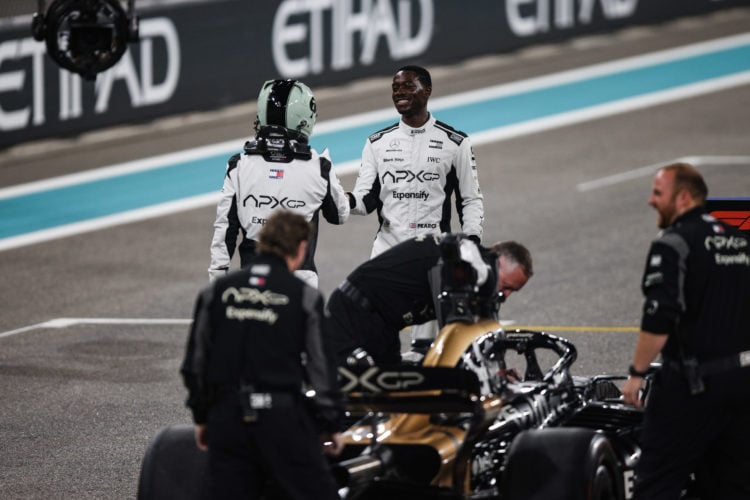
The film orchestrates this four-part harmony like a symphony. Each distinct in rhythm and tone yet moving in harmony toward a shared crescendo. The cinematography alone is a visual tapestry. Vibrant, sleek, and often breathtaking. A linear throughline propels the story forward with momentum, turning what could’ve been a by-the-numbers comeback drama into a tightly engineered, emotionally intelligent film.
Though each character begins at a different starting line, each carries a unique driving style that leads them to a collective finish line. And yes, all of these racing metaphors are very intentional.
Brad Pitt and Damson Idris deliver more than charisma; their emotional dexterity elevates the film beyond surface-level spectacle. What could have been simply another good-looking comeback story becomes a powerful meditation on identity, pride, grief, and reinvention. Behind every dazzling smile lies the internal monologue that keeps us running our race. And for all its high-speed visuals, what truly binds F1 is the chemistry of its ensemble. most notably Pitt and Idris, whose dynamic is electric.
The filmmakers’ decision to prioritize practical effects over CGI pays off spectacularly.
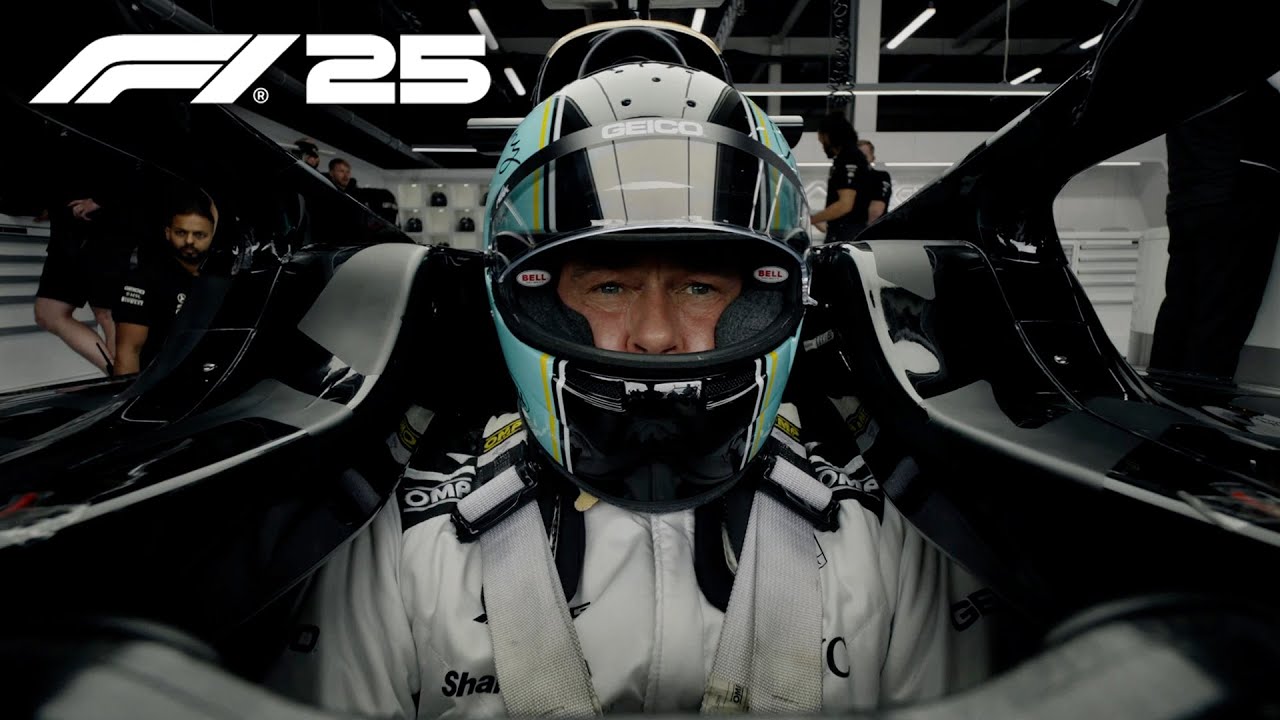
F1 used a custom Formula 2 car, modified with camera rigs and driven by Pitt and professional stunt drivers during actual Grand Prix events. Kosinski once again employs Shotover camera systems—6-axis stabilized rigs mounted on helicopters, pursuit vehicles, and drones—to track high-speed motion with fluid precision, just as he did in Top Gun: Maverick. The result is a unrelenting realism. Every turn, every tire scream, every crash feels utterly immersive.
The film also excels in its smaller moments—pit stops that carry emotional weight, banter that feels organic, stakes that press down like G-forces. The screenplay astutely reveals the motivations of its characters, allowing audiences to absorb the pressure-cooker environment of elite racing.
With each lap, you expect the breakthrough, only to crash out—again and again. Until the moment finally comes.
There’s a beautiful symmetry in how the emotionally charged scenes are executed with the same precision and calculation as the race sequences. Both aspects earn their place on the podium.
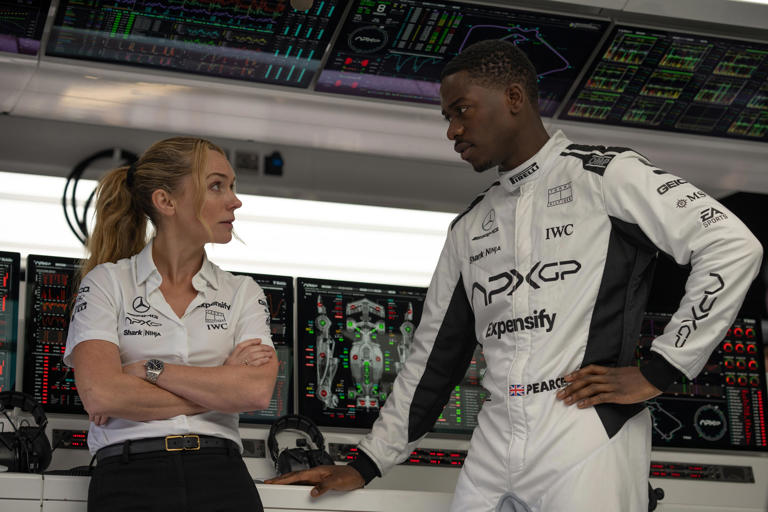
Damson’s Josh is the new kid chasing the full fantasy of F1—the fame, the glamour, the adrenaline. Yet, the actual racing often takes a backseat to his ego. That facade begins to crack the moment Sonny enters the fold. Their tension boils over after Josh ignores Sonny’s advice, resulting in a crash that sidelines him for three weeks.
The narrative echoes Seabiscuit in its scrappy, soul-stirring energy, while reaching the emotional heights of Ron Howard’s, Cinderella Man. As Josh is benched, haunted by the idea of being forgotten, Sonny experiences a renaissance. A series of solid races makes him a fan favorite. Even the board, initially eager to push Ruben out, begins to warm to Sonny’s infectious energy.
But when Josh returns, tensions flare. Sonny’s hard-earned wisdom clashes with Josh’s unchecked bravado, and the rivalry escalates. To recalibrate the dynamic, Kate and Ruben orchestrate a bonding session over cards. The result is one of the film’s finest scenes—intimate, vulnerable, and revealing. We learn that both men lost their fathers as teenagers. Sonny tells Josh, “You could be great, if you get out of your own way.”
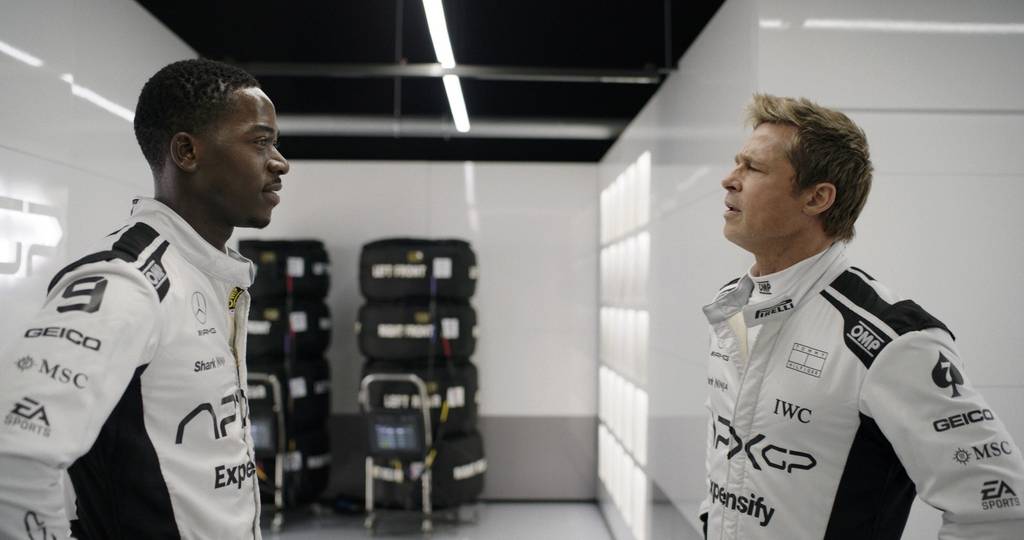
They play poker to see who gets to take the lead the next race. Sonny lets Josh believe he’s won. Revealing to Kate he had the better hand.
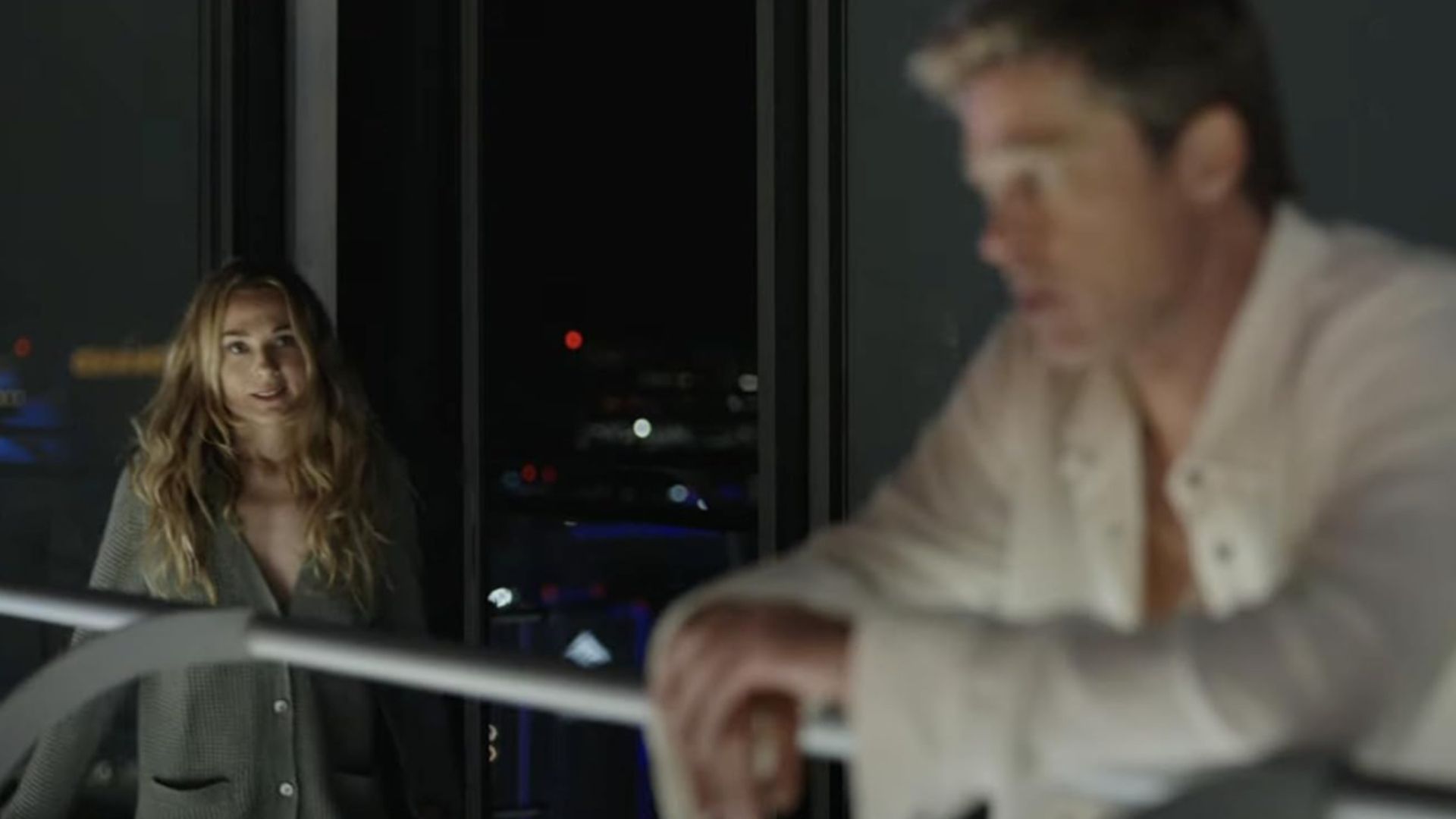
Kate and Sonny also share a brief romantic arc, grounded in mutual respect and emotional honesty. In a quiet moment, Sonny explains the very thing he’s been chasing all along. “When I’m driving,” he says, “all I see is the track. It’s like no one else is there. I’m flying.” That line becomes the heartbeat of the film’s final act.
Every scene is crafted with meticulous attention to detail. When Sonny relives his career-ending crash from 1993, we see it from his perspective, a powerful visual motif that returns in the film’s climax. After another crash sidelines him, Ruben learns that Sonny’s injuries from ‘93 were so severe that he should never have been behind the wheel to begin with.
Ruben pulls him from the team.
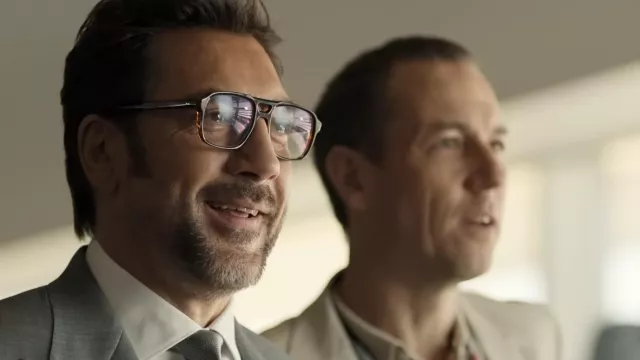
It is revealed that Banning was trying to sabotage APXGP by forging documents to have their car audited, and they were banking on Sonny joining as the final nail in the coffin for the company.
There is one last race, and Sonny shows up, convincing Ruben to let him drive one last time. The race is intense, the kind of edge-of-your-seat tension that could rival Dunkirk.
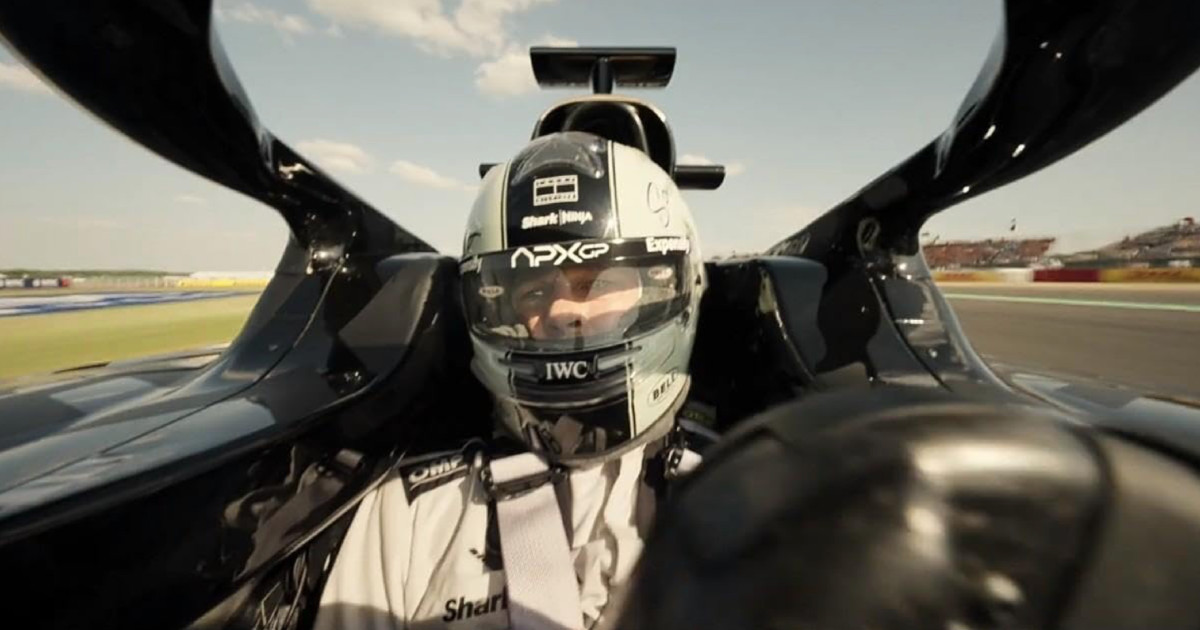 After a flag causes the final three laps to have a set start. Josh is in prime position to win the race. Taking a page from Sonny’s earlier moves, he gives Sonny the assist he needs to pull ahead of Lewis Hamilton. Then the film takes the audience on a ride—we finally get to see and feel what Sonny described earlier in the film.
Reuben looks on and says, “He’s flying.”
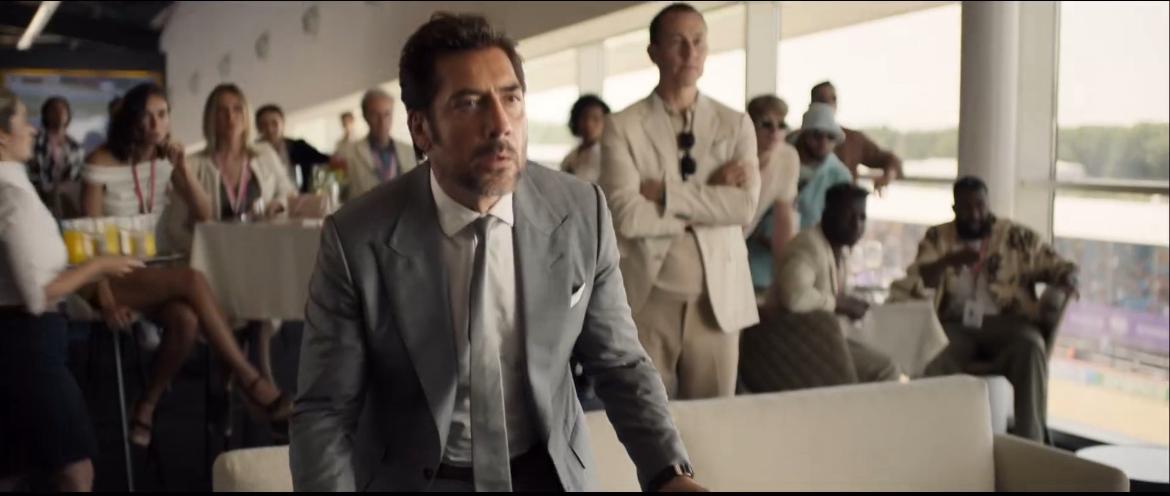
This moment, overflowing with emotion, and anxiety waiting for him to cross the final finish line. t’s a thunderous, deeply emotional payoff. For Sonny, that checkered flag isn’t just a win…it’s vindication.
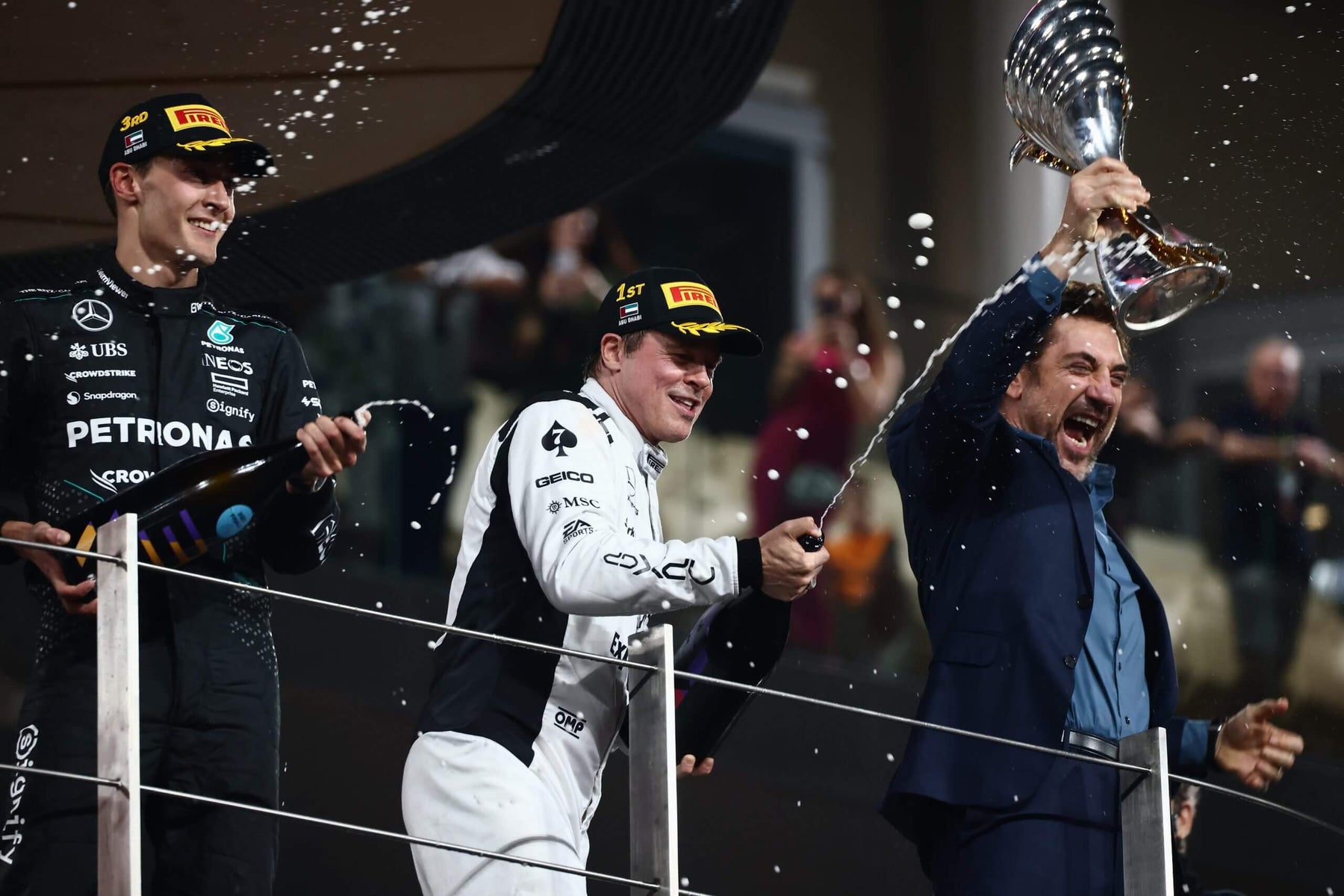
Sonny comes in first place, accomplishing the one thing he set out to do. To catch that feeling he is chasing every time he got behind the wheel of a car.
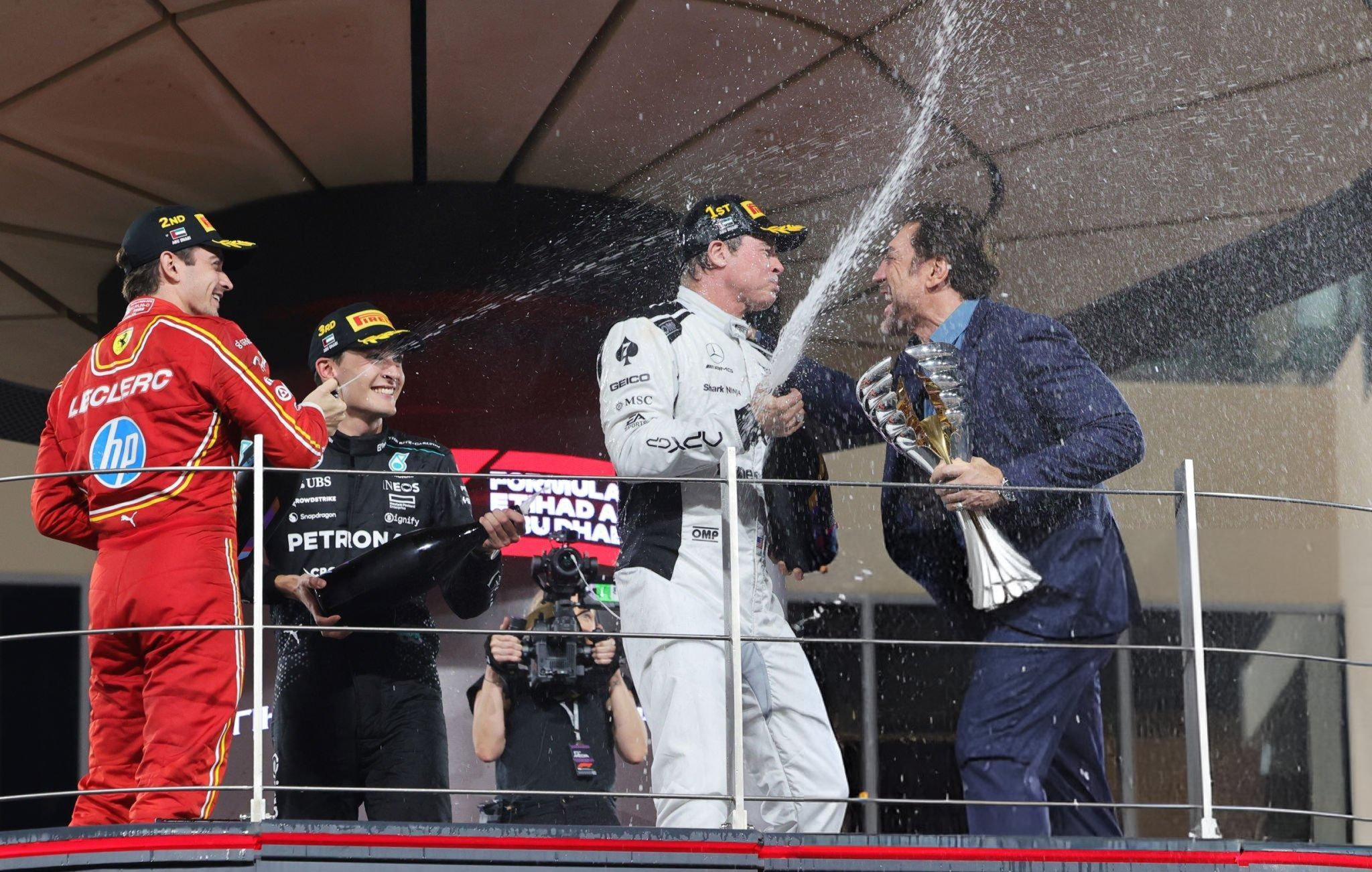
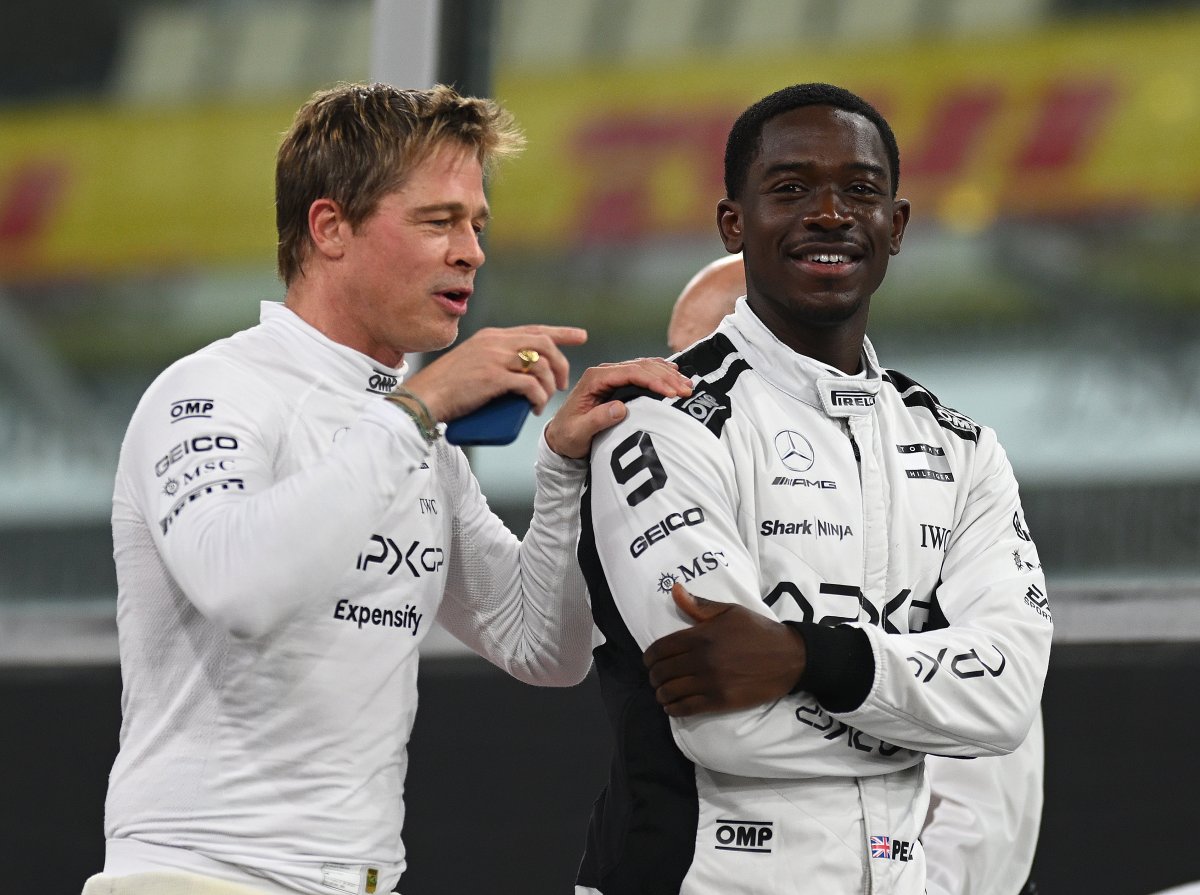
Josh congratulates Sonny and says, “I’m going to win hundreds. You deserved to get at least one.”
They joke with each other, and Sonny says, “It’s all your team now.”
JP replies, “It was always my team.”
Banning’s plan falls apart, the sale is called off, and he’s set to lose his seat on the board.
Sonny says his goodbyes and goes off in search of his next driving adventure.
F1 is a rare cinematic achievement. Equal parts spectacle and soul. The film delivers stunning visuals. Emotionally intelligent, and grounded in the kind of character work that lingers. I rate it a 90. Go see it in IMAX—you won’t regret the ride.
